Achieve Classroom Management Success: Proven Routines and Procedures for Teachers

Use this link to watch the YOUTUBE version of this post.
Welcome to our summer series of Classroom Management by Design for the Primary Teachers. Each week we will give you a new piece to the classroom management puzzle to have in place when you head back to school this fall. Think of it as a Lego kit just waiting to be built.
Classroom Management by Design for Primary Teachers - Week 4:
Achieve Classroom Management Success: Proven Routines and Procedures
As a primary teacher with over 20 years of experience, I've learned that one of the most effective ways to ensure classroom management success is by establishing consistent routines and procedures. Clear, structured routines help create a predictable learning environment, allowing students to feel safe, secure, and ready to learn. In this blog post, I'll explain the importance of consistent routines, how to establish daily procedures, and provide an activity to help you plan a detailed daily schedule. These strategies will help you create a well-organized and efficient classroom, setting the stage for a successful school year.

Phase 1: The Importance of Consistent Routines
Creating a Predictable Environment
Consistent routines provide structure and predictability, which are crucial for young learners. When students know what to expect, they feel more secure and are better able to focus on their learning.
Key Benefits:
Reduces Anxiety and Stress:
- Predictable routines help reduce anxiety and stress in students by providing a sense of stability.
- Example: Knowing the daily schedule helps students feel more in control and less anxious about transitions.
Promotes Independence:
- When students are familiar with routines, they can complete tasks independently without constant teacher guidance.
- Example: Students know that after the morning bell, they need to hang up their coats, take out their homework, and begin morning work.
Maximizes Instructional Time:
- Clear routines minimize downtime and disruptions, allowing for more effective use of instructional time.
- Example: If students know exactly what to do during transitions, less time is wasted, and more time is spent on learning activities.

Light Bulb Moment:
Many teachers are unaware of how much time is lost to transitions and disruptions when routines are not clearly established. Small moments of confusion can add up to significant instructional time lost over the course of a day or week. By meticulously planning and practicing routines, teachers can reclaim valuable teaching time.
Phase 2: Establishing Daily Procedures
The Foundation of Effective Classroom Management
Daily procedures are the specific steps students follow to complete routine tasks. These procedures should be clear, consistent, and practiced regularly until they become second nature to students.
Strategies for Establishing Effective Procedures:
Identify Key Procedures:
- Determine the most important procedures that need to be established in your classroom. These might include morning routines, transitions between activities, bathroom breaks, and end-of-day routines.
Be Explicit and Specific:
- Clearly explain each procedure step-by-step. Use simple, precise language that students can easily understand.
- Example: For lining up, explain that students should push in their chairs, stand up quietly, and walk to the door in a single file line.
Model the Procedures:
- Demonstrate each procedure for your students. Show them exactly how it should be done and explain why it is important.
- Example: Model how to properly put away supplies after a craft activity, emphasizing the importance of keeping the classroom organized and safe.
Practice Regularly:
- Practice each procedure with your students until they can perform it independently. Consistent practice helps reinforce the routine and makes it a natural part of the day.
- Example: Spend the first few weeks of school practicing morning routines every day until students can complete them without reminders.
Provide Positive Reinforcement:
- Acknowledge and praise students when they follow procedures correctly. Positive reinforcement encourages them to continue following routines.
- Example: Use a reward system where students earn points or stickers for consistently following routines.
Light Bulb Moment:
Many teachers may not realize the importance of revisiting and reinforcing procedures throughout the year. Even well-established routines can start to slip if not periodically reviewed and practiced. Continuous reinforcement ensures that procedures remain effective and students stay on track.
Activity: Plan a Detailed Daily Schedule
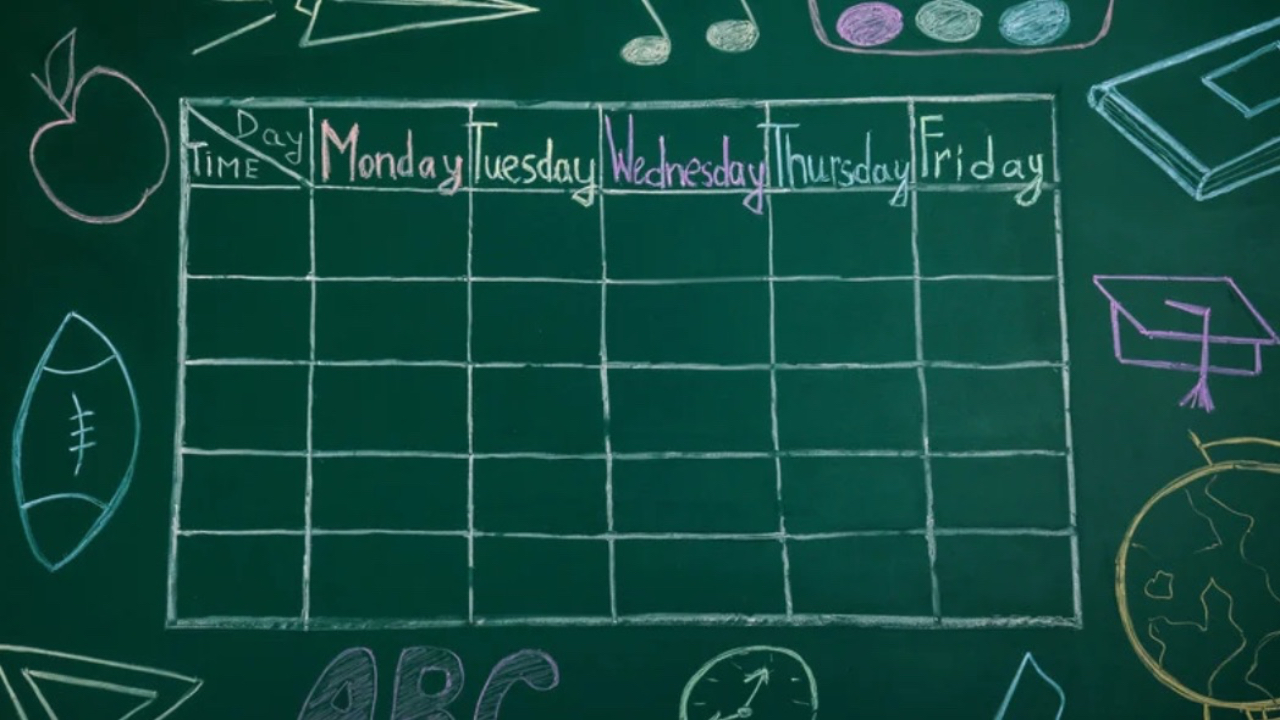
Creating a detailed daily schedule is an essential step in establishing consistent routines and procedures. A well-structured schedule helps students know what to expect and when, reducing uncertainty and enhancing their ability to focus on learning.
Steps to Plan Your Daily Schedule:
Outline Your Day:
- Start by outlining the major components of your day, including arrival, morning work, instructional blocks, lunch, recess, and dismissal.
Break Down Each Component:
- Break down each component into specific activities and procedures. Be as detailed as possible to ensure clarity and consistency.
- Example:
- Arrival: Students hang up coats, unpack backpacks, place homework in the bin, and start morning work.
- Morning Work: Quiet independent work time while attendance is taken and announcements are made.
- Instructional Block: Whole group instruction followed by small group activities and independent practice.
- Transitions: Clear procedures for moving between activities, including clean-up, lining up, and moving quietly.
Allocate Time for Each Activity:
- Assign specific time blocks to each activity. Be realistic about how long each task will take, allowing for smooth transitions and minimal downtime.
- Example:
- 8:00-8:15 AM: Arrival and Morning Work
- 8:15-9:00 AM: Math Instruction
- 9:00-9:10 AM: Transition to Reading
- 9:10-10:00 AM: Reading Instruction
Incorporate Flexibility:
- While consistency is important, it's also essential to build in some flexibility to accommodate unexpected events or changes.
- Example: Have a "buffer" time after lunch to address any issues that may arise or to provide additional time for activities if needed.
Review and Adjust:
- Regularly review your schedule and make adjustments as necessary. Gather feedback from students to see what is working and what might need tweaking.
- Example: If students are consistently struggling with a particular transition, consider revising the procedure or allocating more time for it.
Light Bulb Moment:
Teachers often underestimate the impact of a well-planned schedule on classroom behavior and learning outcomes. A meticulously crafted schedule not only keeps the day running smoothly but also enhances student engagement and reduces behavior issues. Periodically reviewing and adjusting the schedule ensures it remains effective and responsive to the needs of the class.

Conclusion
Establishing consistent routines and procedures is a critical component of successful classroom management. By creating a predictable environment, developing clear daily procedures, and planning a detailed daily schedule, you can significantly enhance student behavior, engagement, and learning outcomes.
Remember, the key to success lies in being explicit, consistent, and responsive. Regularly practice and reinforce routines, model expected behaviors, and be open to adjustments based on feedback and observations. With these strategies, you'll create a well-organized and efficient classroom that fosters a positive and productive learning atmosphere.
By laying a solid foundation with clear routines and procedures, you’ll be well on your way to achieving classroom management success and creating a thriving educational environment where every student can succeed.
Did You KNOW…
Did you know I organize a FREE Facebook Group for Mastering Classroom Management? We are gearing up for our summer sessions, so if you’re looking for a simple way to improve your classroom management join the already 200+ teachers that have signed up: Mastering Classroom Management Facebook Group
Your ebook GIFT: Empowering Primary Teachers: Effectively Manage Disruptive and Violent Behaviors in the Classroom.
Teach~Relax~Repeat
Lauren