Classroom Management Examples for K–3: What to Say and Do
You’re halfway through giving directions when someone calls out a story about their dog. Two children have started their own conversation, and another is still looking for a pencil. If you’ve been searching for classroom management examples that sound like your actual day, this is where I want us to begin. Those everyday moments can take a lot of energy, especially when you feel as though you’ve already explained what to do.
In the first part of The Classroom Management Reset: Small Changes for Calmer K–3 Classrooms, we looked at choosing one part of the day that needs attention. Now let’s think about your response when that moment happens. Having a few words ready can make it easier to give a clear direction without turning every interruption into a conversation in front of the whole class.
I would use the examples below as starting points and adjust the language for your students. A kindergartner who needs help understanding a direction may need something different from a third grader who knows the routine but is caught up in talking with a friend. Keep the expectation clear while paying attention to the support the child needs to follow it.
When a student keeps calling out
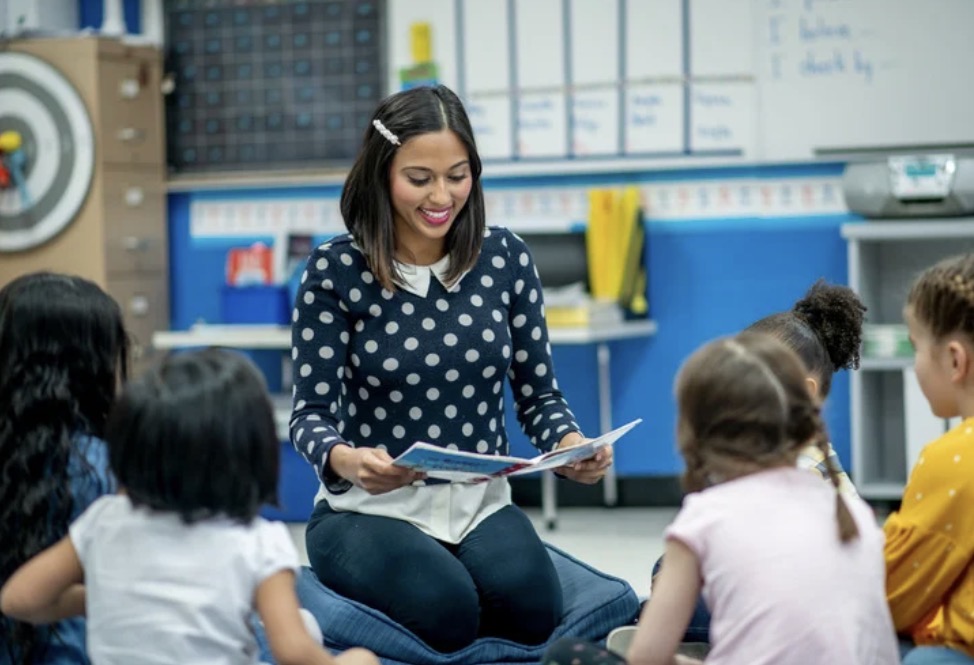
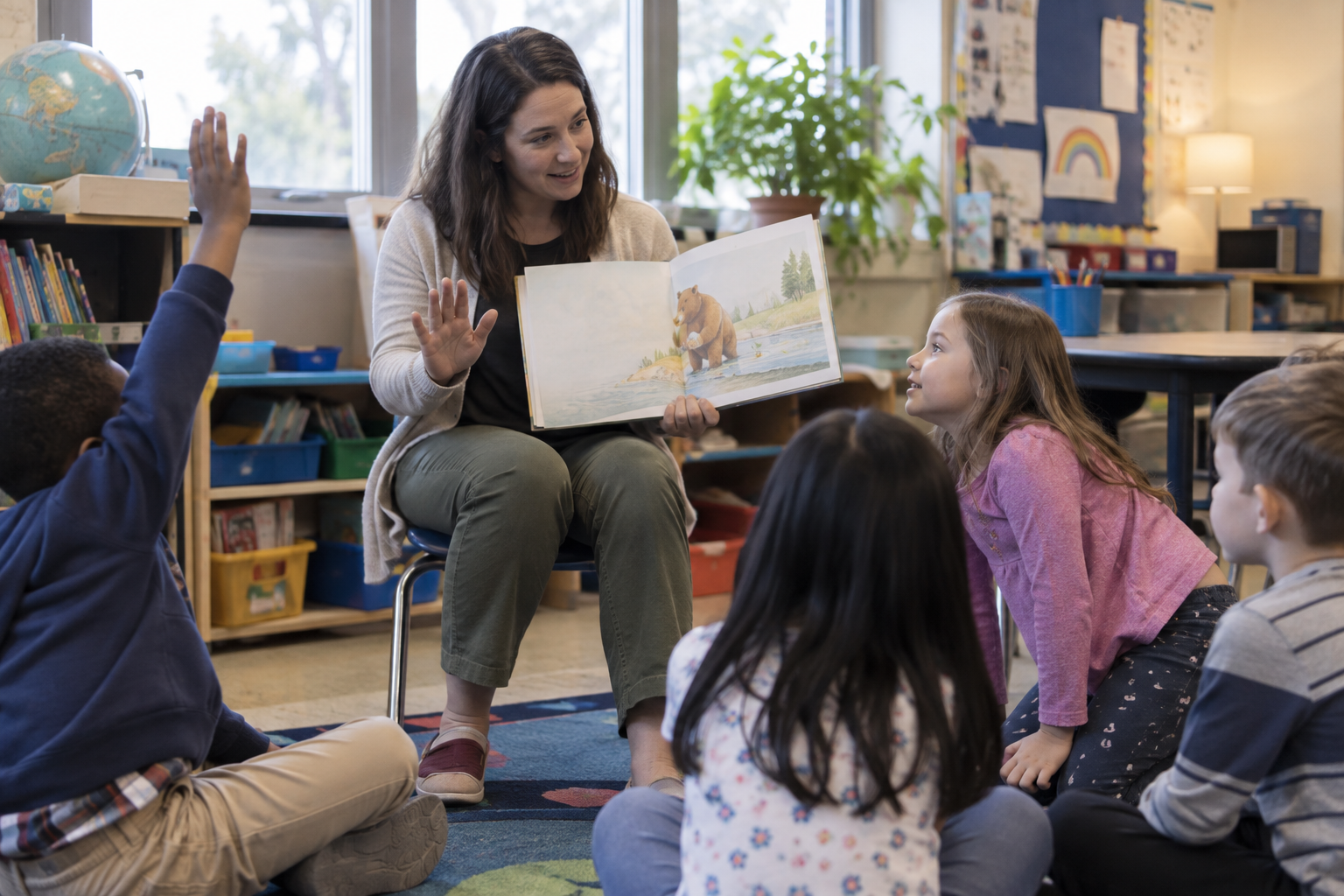
You ask a question during a read-aloud, and a student answers before anyone else has a chance. Then it happens again while another child is speaking. It’s easy to find yourself saying, “Raise your hand,” over and over while the rest of the group waits for the story to continue.
I would start with a brief cue: “Hold that thought. It’s Maya’s turn, and then I’ll come to you.” If you already use a familiar hand signal for waiting, pair it with your words. When the child gets a turn, follow through and listen. You’re showing what taking turns looks like in the conversation you’re having right now.
If calling out keeps happening, make time for a quiet check-in later. You might say, “You had a lot you wanted to share during our story. Let’s practice what you can do while someone else is talking.” You can also look at how often students get to participate. A brief partner conversation before taking a few responses gives more children an opportunity to put their ideas into words.
When side conversations interrupt directions
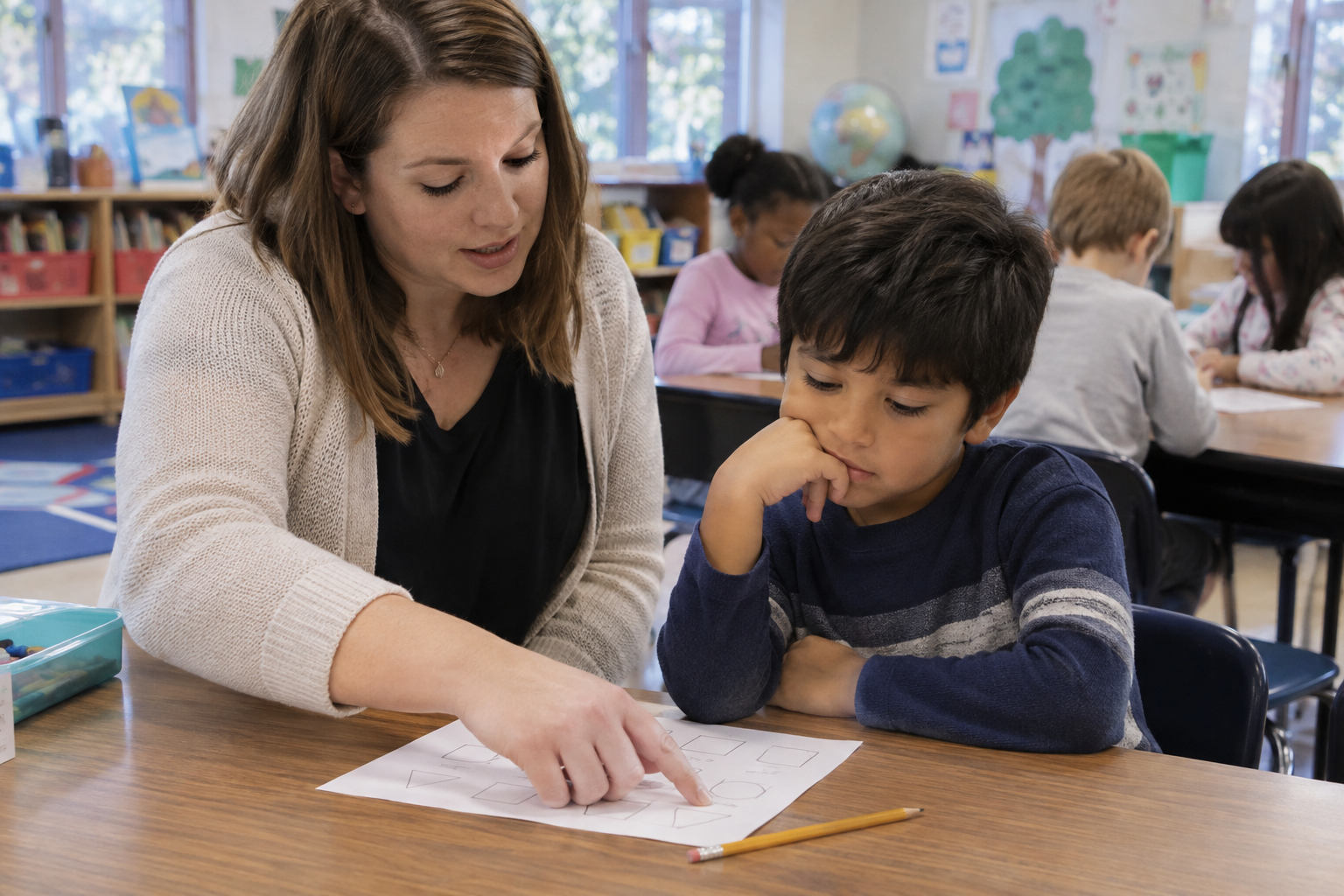
You’re explaining the next activity, but two students are still talking about what happened at lunch. Before you begin the directions again, move closer and give a short cue: “Pause your conversation. Listen for what you’ll need first.” Give them a moment to respond before adding more words.
Once you have their attention, share the first step and let students begin when they’re ready. If the directions include several steps, show them as you explain or leave a simple visual where children can refer to it. A student who missed the beginning may need help finding the starting point even after the talking stops.
When the same conversation regularly interrupts the lesson, follow up privately. “You and Sam have a lot to tell each other. What will help you save that conversation until partner time?” You may need to adjust where they sit or practice how to pause and return to a conversation. Choose something you can actually follow through on during the next lesson.
When a student won’t start the work
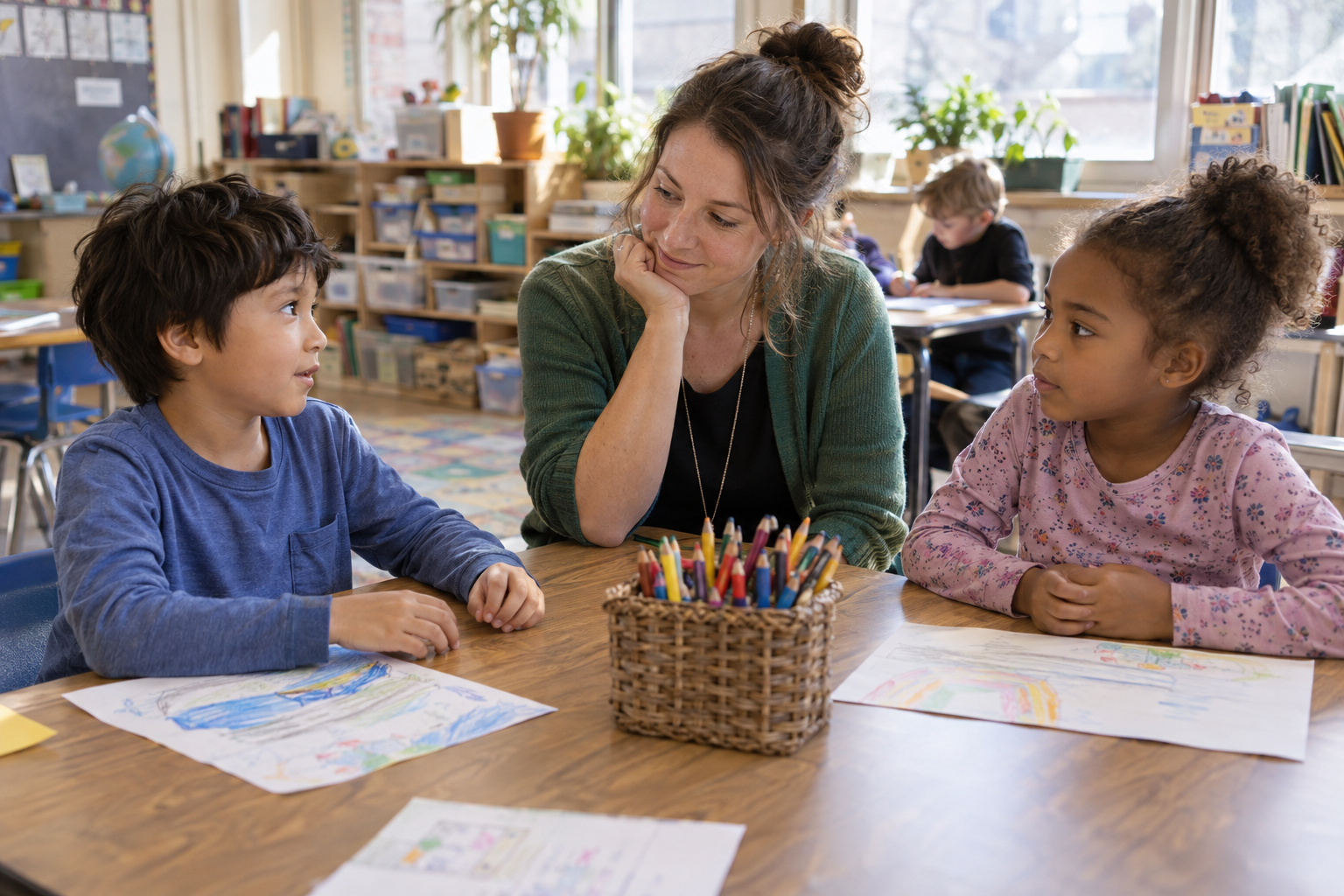
Everyone else has begun, but one child is sitting with an untouched paper. You’ve said, “Get started,” twice, and now the child has pushed the pencil away. Before deciding what the behavior means, get close enough to check what is making the first step difficult.
You might quietly ask, “Show me where you’re supposed to begin.” Their response can help you decide what to do next. If the child doesn’t understand the task, work through an example together. If the whole page feels like too much, point to one manageable part: “Let’s look at this first picture. Tell me what you notice.”
For a child who understands but hasn’t begun, offer a small choice within the task: “Would you like to tell me your sentence first or write it down?” Then give them a little space and return when you said you would. I would watch whether that support helps the child continue, because getting the pencil moving is only useful if the work itself is accessible.
If starting work is difficult day after day, make a quick note of the task, the time, and what helped. Use any individual supports already in place and talk with the appropriate school team when you need help understanding the pattern. The next step should come from what you’re noticing about that student.
When students argue over materials
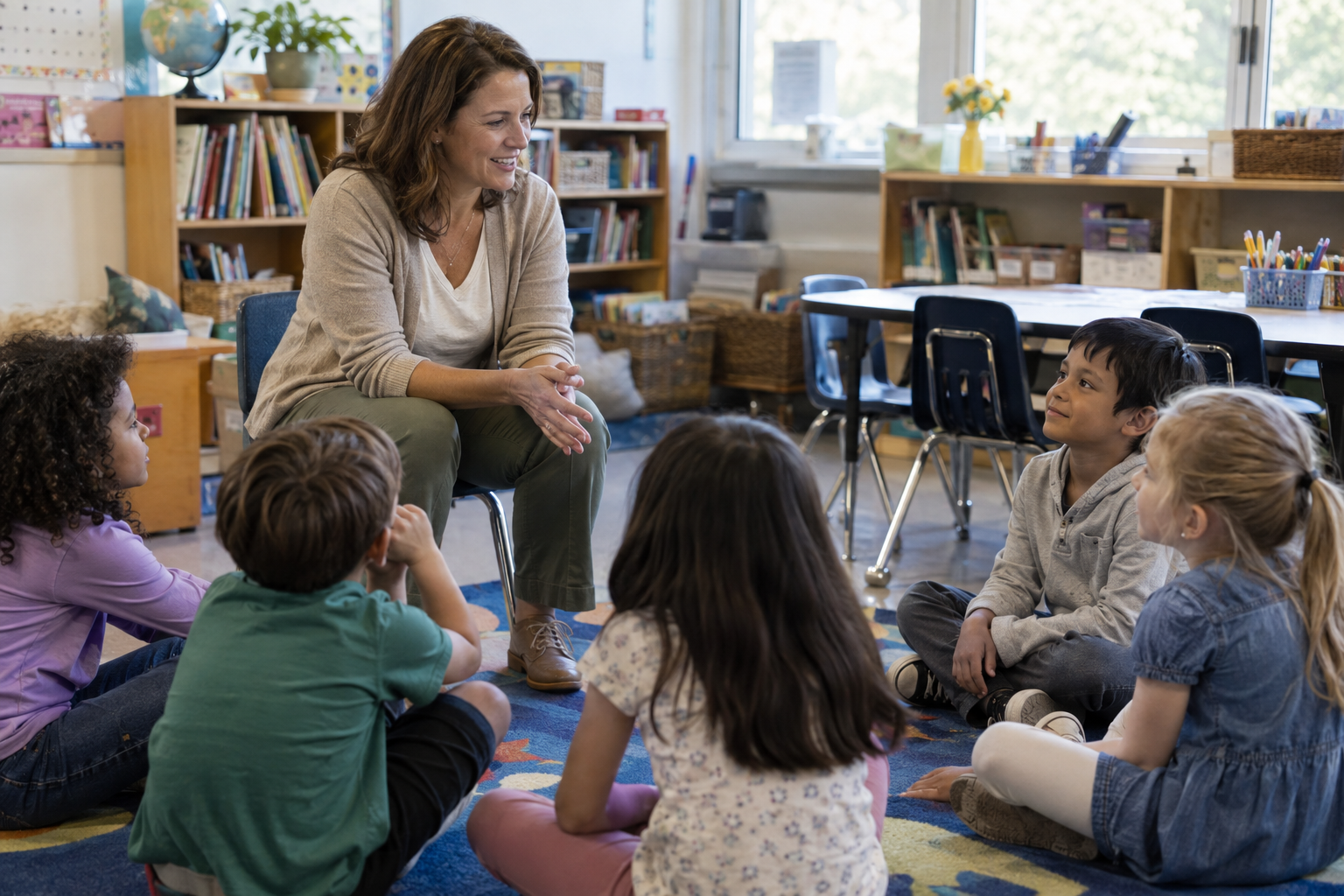
Two children reach for the same set of markers, and suddenly both are telling you who had them first. Begin by stopping the grabbing and helping them put the materials down safely. You might say, “Set the markers on the table. I’ll listen to each of you, one at a time.”
Once they’re ready, help them find a workable next step. “You both need the blue marker. How can we make sure each of you gets a turn?” Younger children may need you to offer the language: “Can I use it when you’re finished?” If they can’t agree yet, help them set a turn order and stay nearby long enough to see it begin.
If someone knocked over a supply basket or marked another child’s paper, include a step to help put things right. That might mean picking up the supplies or helping replace the damaged paper. Later, take a look at the setup. If several groups are waiting for the same materials every day, changing how the supplies are shared may prevent another round of the same disagreement.
When the class comes back from recess unsettled
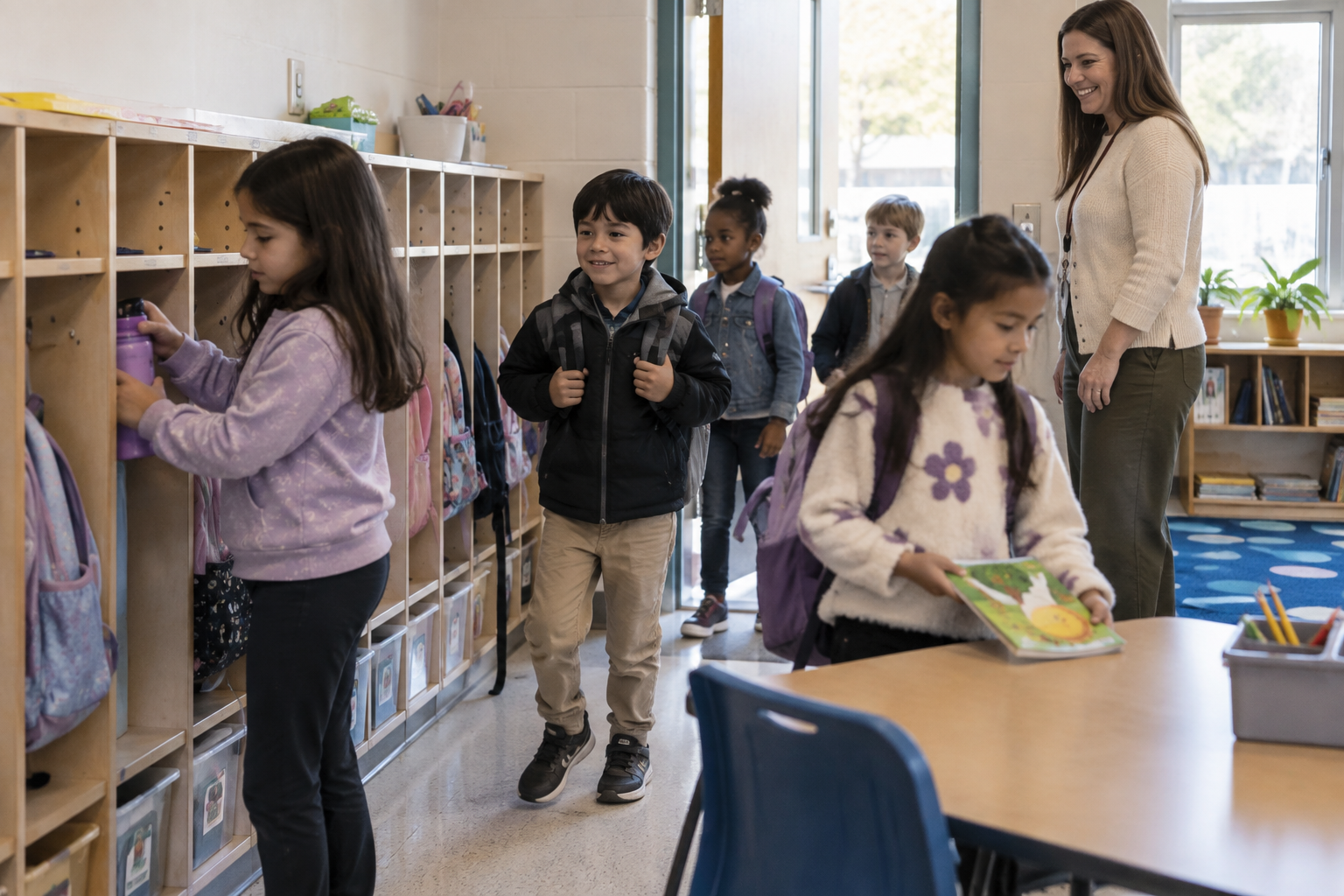
Students arrive with playground stories, questions about water bottles, and feelings about a game that ended badly. You’re ready for the next lesson, but several children are still caught up in what happened outside. This is one of those times when a predictable first step can give you somewhere to begin.
Before the next recess, show students what they’ll do when they return. You might say, “When we come in, put your things away and begin looking through the book at your seat.” Choose a familiar activity children can start with little help, and make sure the materials are ready before they leave. Account for your class’s usual water and bathroom needs so the routine fits the day you actually have.
As children return, use the same short cue and help anyone who is unsure where to go. A child who is upset about something that happened outside may need a brief check-in while classmates begin. “I can see you’re upset. Come tell me what happened over here.” Address a safety concern right away; save a longer conversation for a time when you can give it the attention it needs and keep the class supervised.
Notice which part of the return is difficult. If children are piling up at the cubbies, adjust the flow through that space. If they settle at their seats but have nothing to begin, prepare the first activity. We’ll spend more time on classroom noise in the next post, but for now, choose one part of the return that you can make clearer.
Know when to come back to the conversation
Some moments need only a reminder and a chance to try again. Others deserve a private conversation after the immediate difficulty has passed. I would follow up when the same problem keeps returning, when someone has been hurt or excluded, or when your response helped the class move on but didn’t help the child understand what to do next.
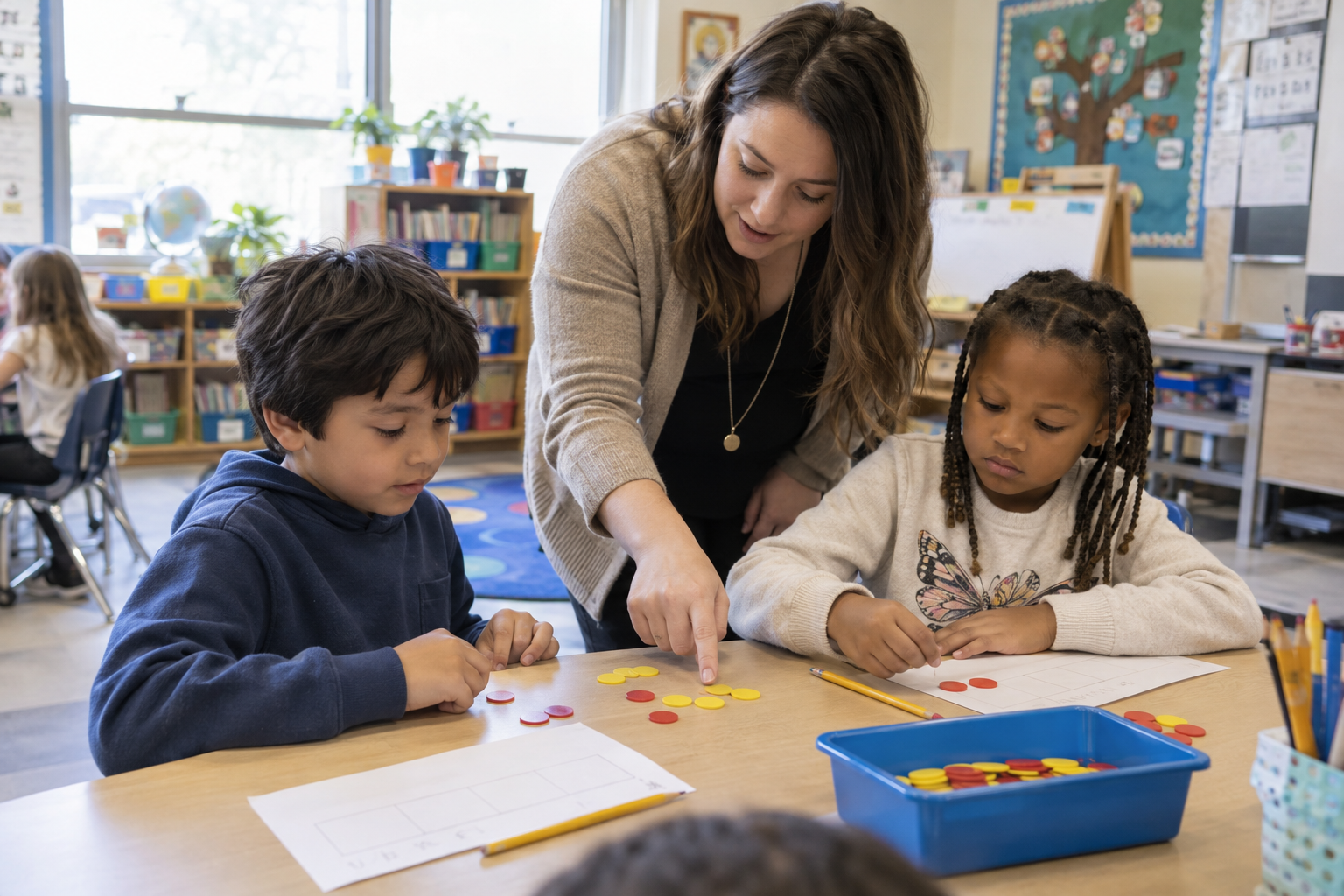
Start with what you observed: “During centers, you left your group three times while they were choosing jobs. What was happening?” Listen before you decide on a plan. Then practice a useful next step, whether that is asking to join, requesting help, or using the agreed signal for a break. Keep the conversation focused enough that the child knows what they can try when the situation happens again.
You can hold a clear expectation and still adjust the help you provide. One student may need a quiet reminder, while another needs you to demonstrate the step alongside them. Pay attention to whether your response helps the student return to learning and participate with the class.
Try one response tomorrow
Choose one of these classroom management examples that sounds familiar and write down the first sentence you want to use. Think about what you’ll do after you say it, too. Will you move closer, show the starting point, help students take turns, or plan a quiet check-in later?
At the end of the day, ask yourself whether your response made the next step clearer. You may still need to adjust the routine or offer more support, but now you have something specific to work from. Give yourself room to practice along with your students.
In part three of The Classroom Management Reset, we’ll look at managing classroom noise so children understand which voice level fits the activity and how to adjust when the room gets louder. If you’d like practical support like this each week, join The Teacher Cue Weekly Classroom Note, my free newsletter for primary teachers.
WANT A LITTLE MORE SUPPORT EACH WEEK?
Get The Teacher Cue delivered to your inbox every Tuesday.
One real classroom moment. One practical response. Exact words you can use. No fluff.
Click Here: SEND ME THE TEACHER CUE →

💛 Lauren
I help K–3 teachers create calmer, more manageable classrooms so they can spend less time managing behavior and more time teaching.
READ NEXT:
Why Students Don’t Follow Directions the First Time (and What to Do Instead)
If you find yourself repeating directions all day, the problem may not be that your students aren't listening. Learn five simple shifts that can make directions easier for K–3 students to hear, understand, and follow.


