Classroom Management Strategies for K–3: Your Classroom Reset Guide
The Classroom Management Reset · Part 1 of 5
If you’ve been looking for classroom management strategies because the same parts of your day keep falling apart, I want you to start by thinking about one of those moments. Maybe getting ready for math takes much longer than you expected, or coming in from recess somehow turns into ten minutes of reminders. By the time everyone is settled, you’re already frustrated, and you still have plenty of teaching left to do.
It’s tempting to look for something new when that happens. You might change the reward system, move seats, or spend your Sunday searching for ideas. Before you add another thing to manage, though, I’d look more closely at what is happening in the classroom you already have.
Welcome to The Classroom Management Reset: Small Changes for Calmer K–3 Classrooms. Over this five-part series, we’ll work through choosing a focus, responding to everyday situations, managing classroom noise, practicing routines, and putting together a plan you can actually use. Let’s begin with figuring out where your attention will make the most difference.
Choose one part of the day
When a teacher says, “My class doesn’t listen,” there’s usually a lot happening underneath that sentence. Are students talking during directions, getting stuck when they begin independent work, or wandering while everyone waits for materials? Those situations might feel equally exhausting, but they need different kinds of support.
Think about the moment you find yourself dreading a little. Describe what you can see without using words like “always” or “never.” For example, “After math, several students leave their materials on the table and stop to talk before coming to the carpet” gives you somewhere useful to begin.
I would choose one predictable moment for this week. You can keep responding to the rest of your day while giving this particular routine some extra attention. Trying to change arrival, centers, lunch, recess, and dismissal at the same time makes it hard to tell what is helping.
Watch before you decide what to change
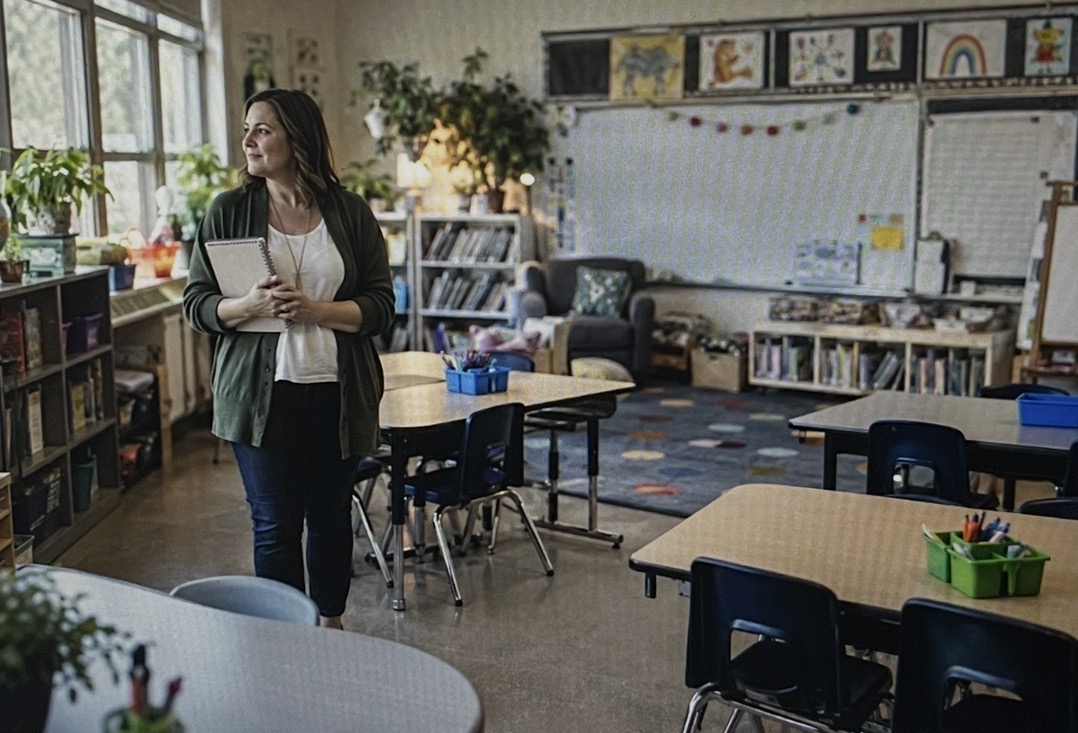
The next time that moment comes around, pay attention to where students get stuck. You may discover that the direction is clear, but everyone is trying to reach the same basket at once. Or students finish putting things away and don’t know what they should do while they wait.
Notice what happens just before the difficulty and what happens afterward. If students begin talking while you search for the next activity, the waiting may be part of the problem. If one child stays at the table because the materials are difficult to organize, another whole-class reminder may not help that child finish.
You don’t need a complicated form to begin. A quick note such as “Crowding at the tray; students waiting with folders” can be enough to help you decide what to adjust.
Make the setup work for young children
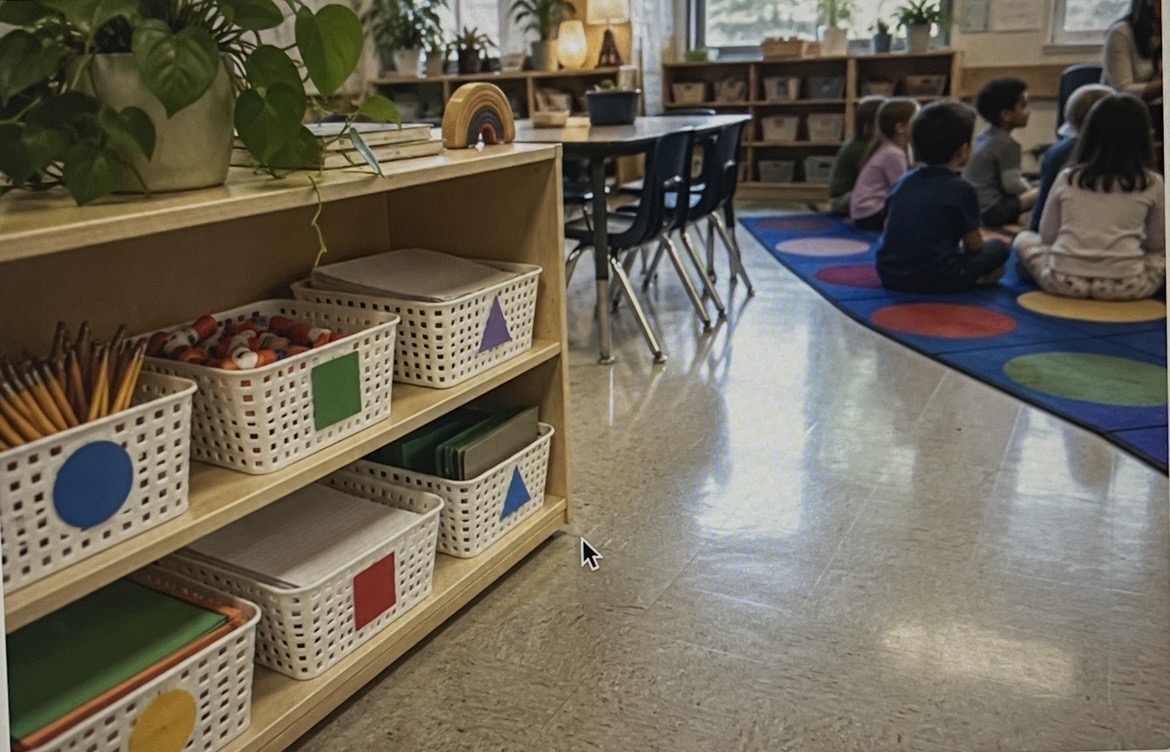
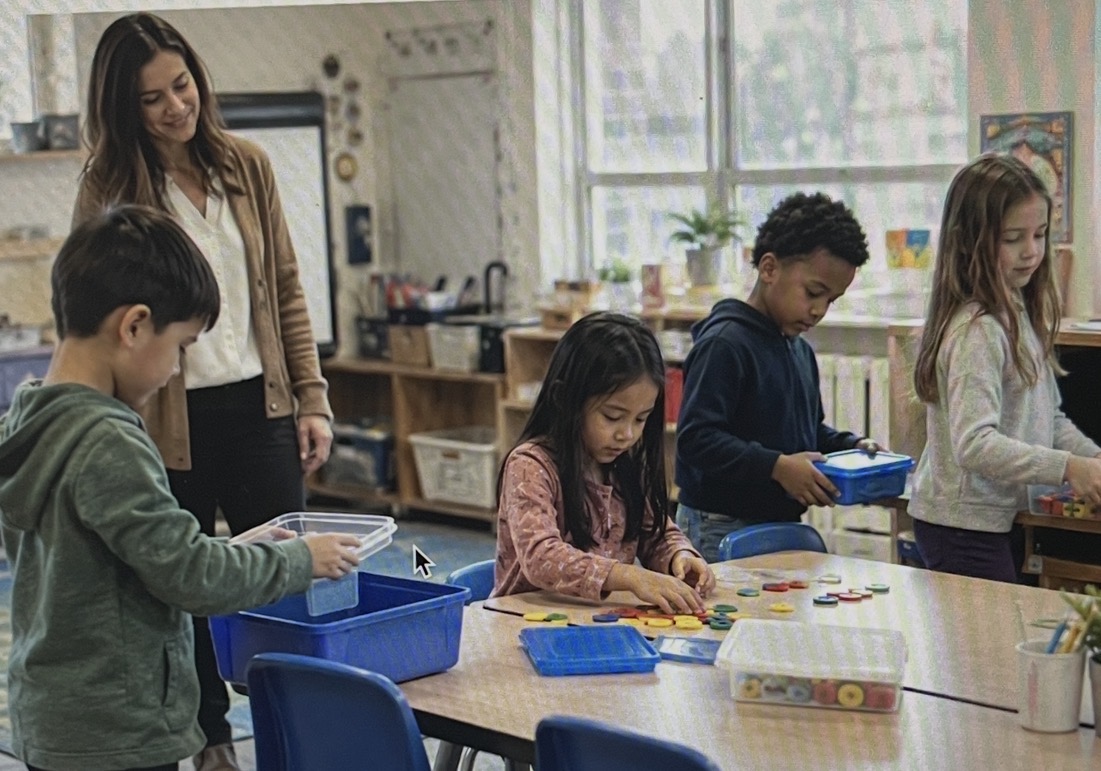
Look at the routine from a student’s height and experience. Can children reach what they need, tell where it belongs, and move through the space without bumping into each other? Something that seems obvious from your desk may be much less clear to a six-year-old holding a folder, a pencil, and an unfinished paper.
If the supply station is causing a backup, try spreading out the materials or calling a few students at a time. If children keep asking where their papers go, a matching picture on the folder tray may be more helpful than another verbal explanation. Choose a change that addresses what you actually noticed.
Show the part that needs teaching
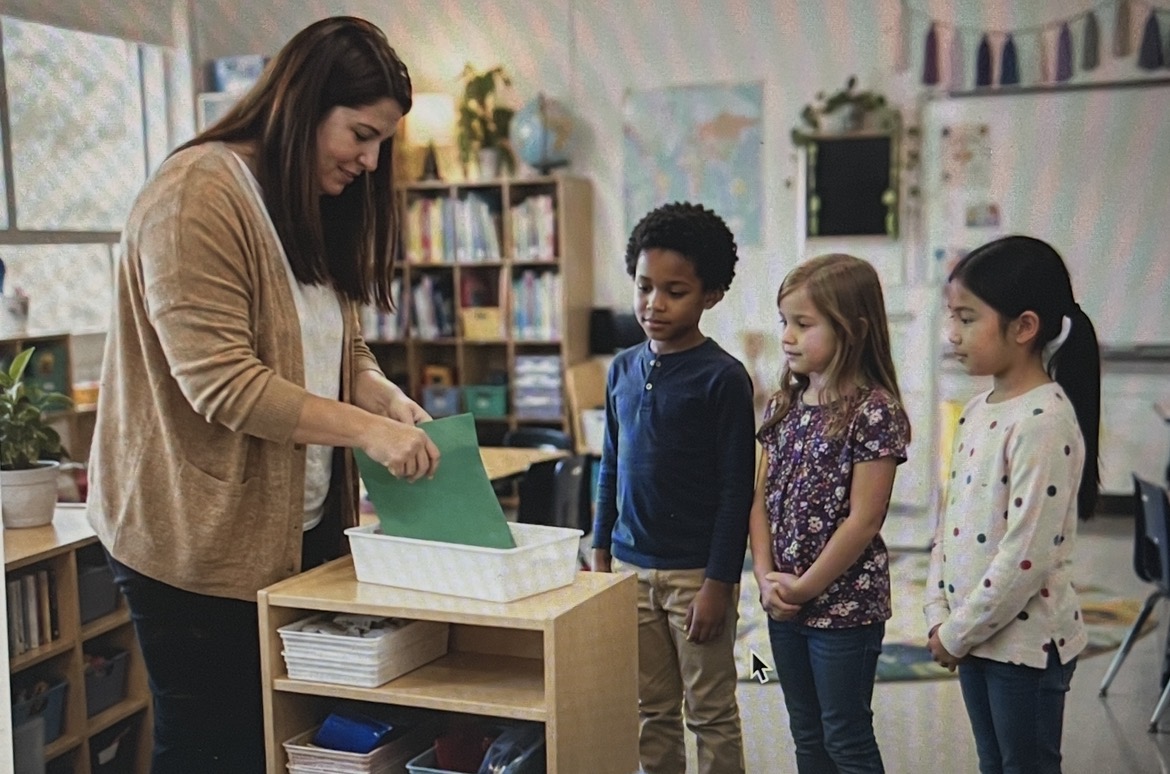
Once you know the sticking point, show students what to do. For our math example, you might say, “I noticed we’re getting stuck when it’s time to put our folders away. Watch where I put mine and where I go afterward.” Demonstrate those steps at a pace students can follow.
Then give them a brief opportunity to try. If only the folder step needs work, you can practice that part without repeating the entire transition. Keep your feedback specific: “Your folder is in the tray, and you went straight to your carpet space. That gives us room for the next group.”
Keep the practice brief and focused on the part students need to learn. If you’re feeling frustrated, give yourself a moment before starting again so you can explain what you want them to try.
Decide how you’ll help when someone gets stuck
A routine plan is more useful when it includes your response. Think about what you’ll say if a student misses a step, where you’ll stand, and what support you can give without stopping everyone else.
For a child still sitting at the table, you might quietly say, “Your folder goes in the tray. Then come to your space.” If the child seems confused, walk through the first step together. If the child understands but is distracted by a friend, your proximity and a brief cue may be enough.
When the routine works for most students and one child continues to struggle, look at that child’s experience. They may need a picture cue, more time, or help organizing materials. Use any individual supports already in place rather than assuming the whole class needs to begin again.

Notice what is getting easier
At the end of the week, ask whether the sticking point changed. Were fewer students waiting at the tray? Did children know where to go next? Did you spend less time repeating the same direction?
You may find that one adjustment helped while another needs work. Keep what is useful and make the next change based on what you saw. A difficult day after an assembly doesn’t erase the progress students made during the rest of the week.

Try this in your classroom tomorrow
Choose one routine and finish this sentence: “The part that needs help is…” Watch that moment once before you decide on a solution, then choose one small change to the setup, your teaching, or your response.
In the next part of this series, we’ll look at classroom management examples and work through what you might say, what you might do, and what deserves a follow-up conversation. If you’d like practical support like this each week, join The Teacher Cue Weekly Classroom Note, my free newsletter for primary teachers.
WANT A LITTLE MORE SUPPORT EACH WEEK?
Get The Teacher Cue delivered to your inbox every Tuesday.
One real classroom moment. One practical response. Exact words you can use. No fluff.
Click Here: SEND ME THE TEACHER CUE →

💛 Lauren
Read Next:
Why Students Don't Follow Directions the First Time (and What to Do Instead)
If you're repeating the same directions all day, start here. Learn five small shifts that can make your directions easier for K–3 students to hear, understand, and follow.


