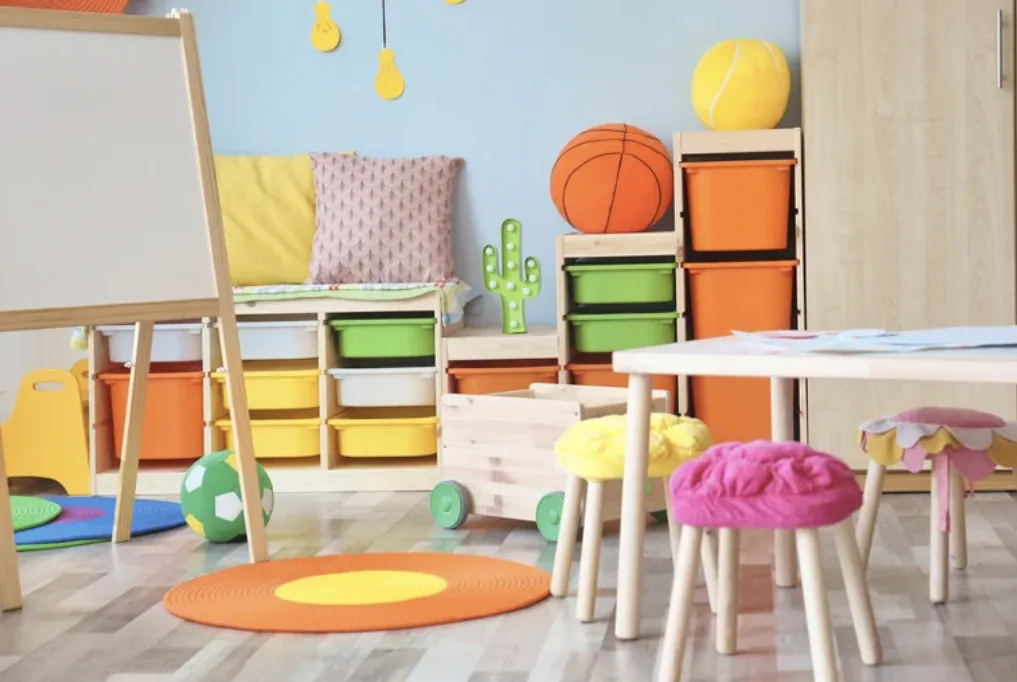
If I Were Setting Up a Classroom From Scratch in 2026, Here's Exactly What I'd Do
If I Were Setting Up a Classroom From Scratch in 2026, Here's Exactly What I'd Do
Classroom Setup Ideas for Elementary Teachers That Actually Work
Every summer, teachers spend hours scrolling social media looking at beautiful classrooms.
Rainbow bins.
Perfect labels.
Matching decor.
The latest organizational hacks.
And while there's absolutely nothing wrong with creating a classroom you love, I've learned something after more than 20 years in education:
Pretty classrooms don't create calm classrooms.
Systems do.
Relationships do.
Consistency does.
If I were setting up a classroom completely from scratch in 2026, I wouldn't start with bulletin boards.
I wouldn't start with decorations.
And I definitely wouldn't start by spending hundreds of dollars on classroom supplies.
Instead, I'd focus on building a classroom that feels calm, predictable, and manageable from the very first day.
Because when your systems are strong, everything else becomes easier.
Here's exactly what I would do.

Step 1: Create My Classroom Management System Before Moving a Single Piece of Furniture
One of the biggest mistakes teachers make is setting up the room before deciding how the room will function.
Before I arranged desks, unpacked materials, or hung decorations, I would answer these questions:
How will students enter the classroom?
What happens when they finish work early?
How will I get students' attention?
What happens when someone breaks a classroom expectation?
How will students ask for help?
What does dismissal look like?
What happens after recess?
What happens after lunch?
Notice something?
None of these questions involve decorations.
These are classroom management systems.
The strongest classrooms aren't built on cute themes.
They're built on predictable routines.
When students know what to expect, behavior problems decrease dramatically.

Step 2: Design the Morning Routine First
If I had to choose one system that impacts classroom behavior more than any other, it's the morning routine.
The first ten minutes of the day set the tone for everything that follows.
In 2026, my morning routine would be incredibly simple.
Students would:
Enter quietly.
Put away belongings.
Complete a morning task.
Begin independent work.
Review the daily schedule.
No chaos.
No confusion.
No wandering around.
No asking, "What are we doing today?"
The goal is to create a calm landing place for students.
Think of an airport runway.
Planes don't just drop out of the sky and hope for the best.
They have a system.
Students need one too.
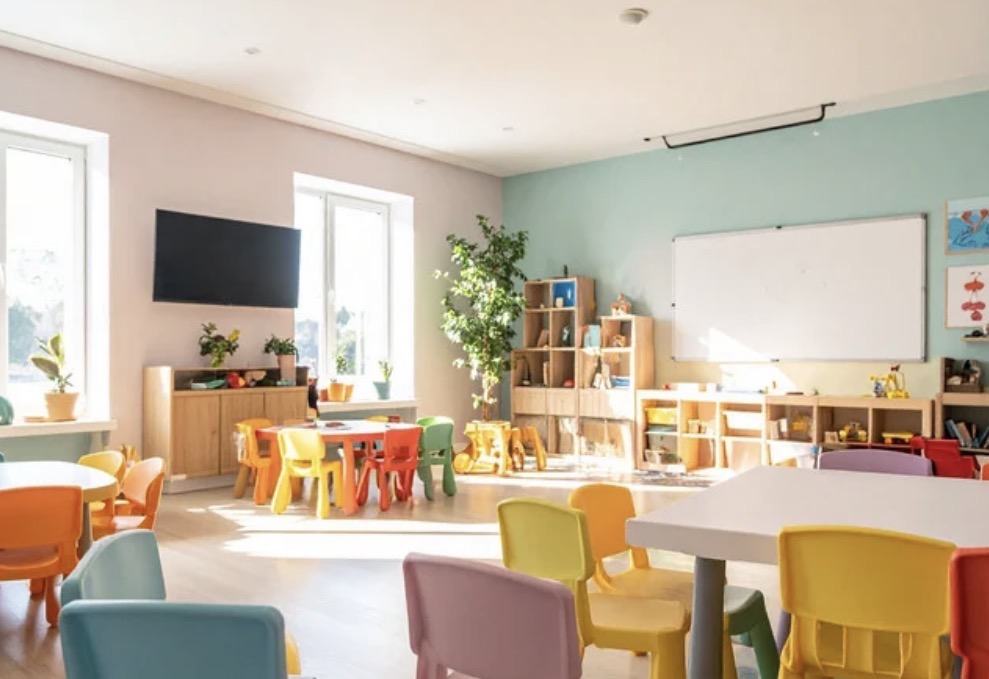
Step 3: Create a Calm Classroom Instead of an Instagram Classroom
This may not be popular, but if I were starting over in 2026, I would dramatically reduce visual clutter.
Research continues to show that excessive visual stimulation can make it harder for students to focus, especially younger learners.
Instead of covering every inch of wall space, I would focus on:
Student work
Anchor charts
Learning targets
Visual schedules
Classroom expectations
That's it.
Many students already walk into school carrying emotional, academic, and sensory overload.
The classroom shouldn't add to it.
It should feel like an exhale.

Step 4: Build a Strong Parent Communication System
One of the biggest sources of teacher stress isn't student behavior.
It's parent communication.
If I were starting fresh, I would establish communication systems before the first day of school.
I would create:
Weekly Parent Updates
One simple communication sent consistently.
Parents don't need 17 apps.
They need clarity.
Positive Contact Goals
Every week, I would intentionally contact several families with positive news.
Not because students earned it.
Because relationships matter.
Templates for Difficult Conversations
This is where AI can save teachers hours.
I would create templates for:
Behavior concerns
Academic concerns
Missing assignments
Attendance issues
Parent meetings
When difficult situations arise, I wouldn't start from scratch.
I'd already have a framework.

Step 5: Create a Classroom Attention Signal
Teachers lose countless instructional minutes every day trying to regain student attention.
If I were setting up a classroom from scratch, I would choose one signal and use it consistently.
Examples include:
Doorbell
Chime
Call and response
Raised hand
Countdown
The actual signal doesn't matter.
Consistency does.
Students thrive when expectations remain predictable.
Changing signals every week creates confusion.
Choose one.
Practice it.
Stick with it.

Step 6: Design Movement Into the Day
One thing I've learned over the years is that students aren't designed to sit still for long periods of time.
And honestly?
Many adults aren't either.
Instead of treating movement as a reward, I would build it directly into the daily schedule.
Every 20 to 30 minutes, students would have opportunities to:
Stretch
Stand
Walk
Move
Reset
These movement breaks don't need to be elaborate.
Many take less than two minutes.
Yet they can dramatically improve focus and engagement.
Movement is not the enemy of learning.
It's often the pathway to learning.
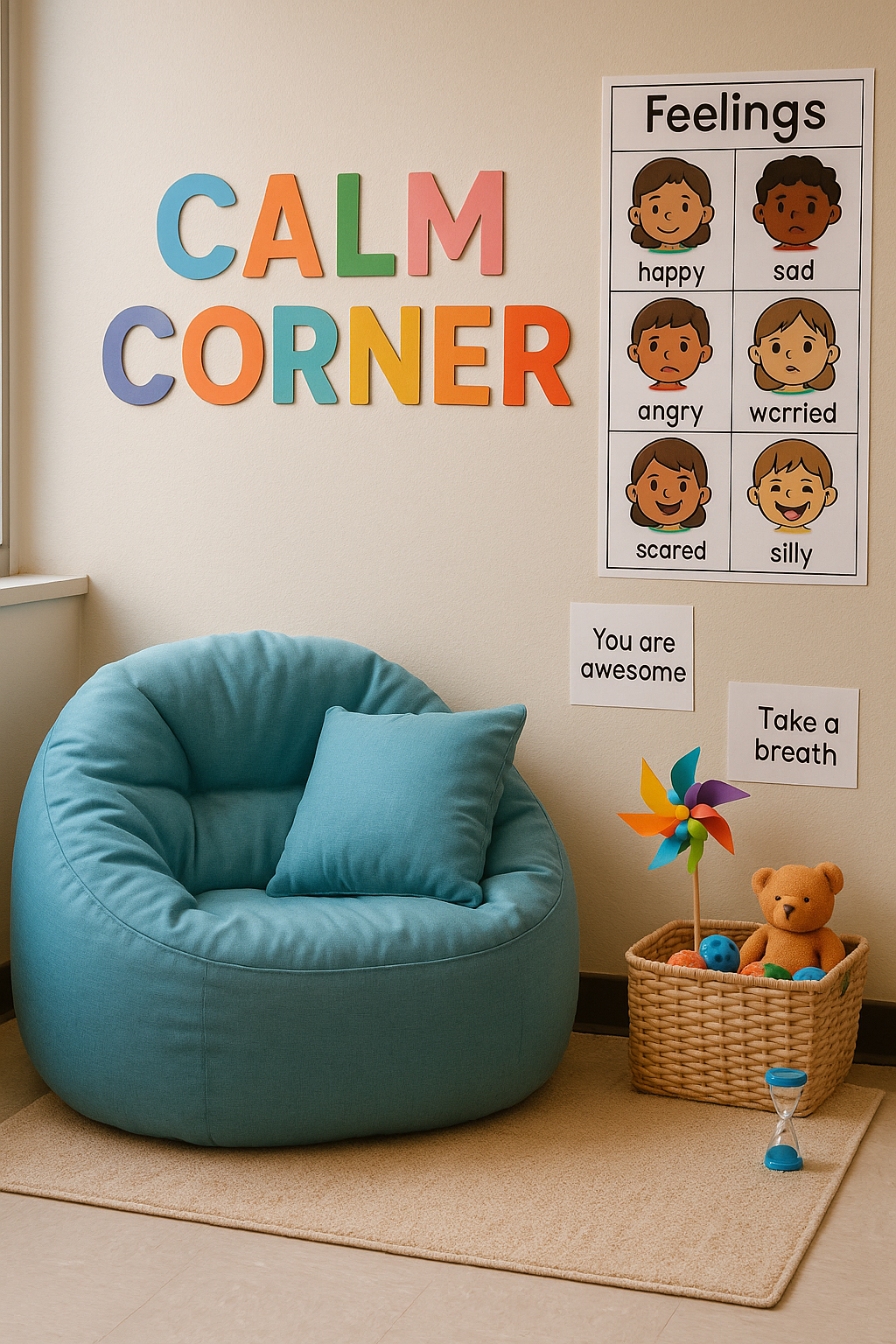
Step 7: Create a Calm Down Space
Every classroom needs a plan for emotional regulation.
Students will become frustrated.
They will become upset.
They will become dysregulated.
The question isn't whether it will happen.
The question is what happens when it does.
In 2026, I would create a simple calm-down area with:
Visual breathing cards
Reflection sheets
Feeling charts
Fidget tools
Regulation strategies
This space wouldn't be punishment.
It would be a support tool.
Students need opportunities to learn how to regulate emotions just like they learn math and reading skills.
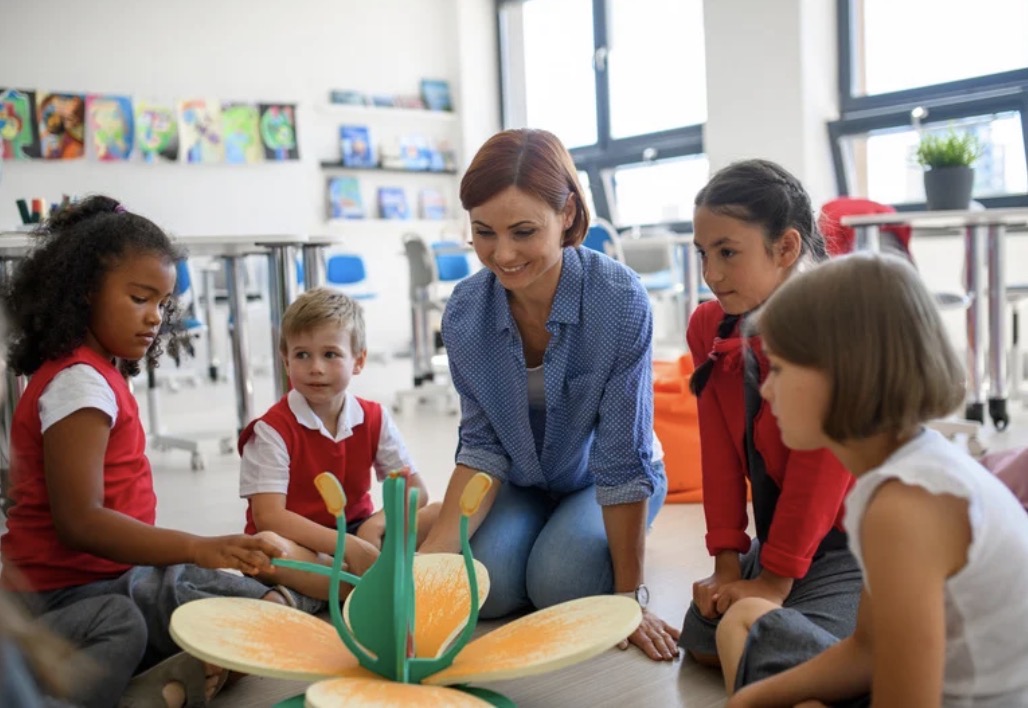
Step 8: Focus on Relationships Before Academics
This might surprise some people.
If I were starting from scratch, I would spend far more time building relationships during the first weeks of school.
Why?
Because students work harder for teachers they trust.
I would intentionally create opportunities for:
Classroom conversations
Team-building activities
Cooperative learning
Partner discussions
Morning meetings
Students need to feel safe before they can fully engage in learning.
Relationships aren't extra.
They're foundational.
Step 9: Use AI to Save Time
If I were a new teacher in 2026, one of my biggest advantages would be access to AI.
Used wisely, AI can save teachers hours every week.
I would use AI to help create:
Parent emails
Lesson ideas
Classroom management plans
Small group activities
Behavior intervention ideas
Classroom newsletters
Read-aloud discussion questions
Student support strategies
The goal isn't replacing teachers.
The goal is to reduce decision fatigue.
Teachers make thousands of decisions every day.
Anything that reduces unnecessary mental load is worth considering.
Step 10: Keep Everything Simpler Than I Think It Needs to Be
This might be the biggest lesson I've learned in education.
Teachers often believe they need more.
More systems.
More rewards.
More programs.
More decorations.
More strategies.
More materials.
But most successful classrooms aren't complicated.
They're consistent.
Students don't need perfection.
They need predictability.
The teachers who appear calm aren't doing everything.
They're doing a few important things exceptionally well.
That's the difference.
What I Wouldn't Do
Let's talk about what I would skip.
I would not:
Spend hundreds of dollars decorating.
Laminate everything in sight.
Create twenty different behavior systems.
Purchase every trending classroom item.
Follow every classroom trend on social media.
Compare my classroom to someone else's.
Because none of those things create a positive classroom culture.
Students remember how classrooms feel.
Not how classrooms look.
Years later, they won't remember your bulletin board border.
They'll remember whether they felt safe.
They'll remember whether they felt valued.
They'll remember whether they felt successful.
That's what matters.

Final Thoughts
If I were setting up a classroom from scratch in 2026, I would focus on one goal:
Creating a calm, predictable environment where students know exactly what to do and feel supported while doing it.
Everything else would come second.
The desks.
The decorations.
The labels.
The theme.
Those things can be fun.
But they're not the foundation.
The foundation is strong systems, clear expectations, positive relationships, and consistent routines.
That's what creates a classroom where both teachers and students can thrive.
And honestly?
That's the kind of classroom every child deserves.


