Proven Strategies to Revolutionize Classroom Management for Primary Teachers

Use this link for the YOUTUBE video of this post.
As another school year draws to a close, it’s essential to take a step back and reflect on the journey we’ve undertaken. With over 20 years of experience as a primary teacher, I’ve learned that this period of reflection is not just about celebrating successes and acknowledging challenges. It’s about uncovering the unknowns—the aspects of teaching and classroom management that we don’t know we don’t know. This deeper level of reflection can transform our teaching practices and enhance our professional growth. Let’s delve into how you can uncover these unknowns and why it’s crucial for your development as an educator.
If you’re ready to deep-dive into your personal end-of-the-school reflection, then grab your FREE journal to get you started: End of the School Year Reflection Journal

Level 1: The Importance of Reflecting on the Unknowns
Discovering Hidden Patterns in Student Behavior
One of the most significant areas where unknowns can exist is in student behavior. Primary teachers often focus on visible behaviors and immediate management strategies. However, there are underlying patterns and triggers that we might overlook. By reflecting deeply, we can start to identify these hidden patterns. For instance, you might discover that certain disruptive behaviors are linked to specific times of the day or particular subjects. Understanding these patterns allows you to develop more effective and proactive classroom management strategies.
Unveiling Implicit Biases
Implicit biases are the unconscious attitudes or stereotypes that affect our understanding, actions, and decisions. These biases can significantly impact classroom management and student interactions. Reflecting on the school year provides an opportunity to uncover these biases. Ask yourself if there were instances where you might have reacted differently to students based on their backgrounds, behavior histories, or academic performance. Recognizing and addressing these biases is crucial for creating a fair and inclusive classroom environment.
Identifying Gaps in Classroom Management Skills
As experienced as we might be, there are always areas for improvement in our classroom management skills. Reflecting on the unknowns involves examining situations where your usual strategies didn’t work as expected. Consider if there are specific types of disruptive behaviors or classroom dynamics that you struggle with. Identifying these gaps can help you seek targeted professional development opportunities to enhance your skills.
Level 2: Steps to Uncover the Unknowns
Step 1: Conduct a Comprehensive Review
Start by conducting a comprehensive review of the school year. Go beyond the surface level and dig into the details of your teaching practices and classroom interactions. Look at your lesson plans, student assessments, and behavior management records. This review will help you identify areas that you might have overlooked during the busy school year.
Step 2: Reflect on Specific Incidents
Think about specific incidents that stood out to you—both positive and negative. Reflect on what happened, how you responded, and what the outcomes were. Ask yourself if there were any underlying factors or patterns that you didn’t notice at the time. This detailed reflection can reveal hidden aspects of your classroom management and teaching practices.
Step 3: Seek Feedback from Various Sources
Gathering feedback from multiple sources can provide new insights into your teaching. Ask your students, parents, and colleagues for their perspectives. You might be surprised by what you learn. For example, students might provide insights into classroom dynamics that you were unaware of, while colleagues might offer different strategies or viewpoints.
Step 4: Use Reflective Tools
Utilize reflective tools to guide your process. Reflection journals, checklists, and digital tools can help structure your thoughts and ensure you cover all aspects of your teaching. Consider using a SWOT analysis (Strengths, Weaknesses, Opportunities, Threats) to systematically evaluate your classroom management practices.
If you’re ready to deep-dive into your personal end-of-the-school reflection, then grab your FREE journal to get you started: End of the School Year Reflection Journal
Step 5: Engage in Professional Learning Communities
Participating in professional learning communities (PLCs) can expose you to different perspectives and experiences. Share your reflections with other teachers and listen to their insights. Engaging in these discussions can help you uncover unknowns and gain new ideas for improving your classroom management.

Level 3:The Power of Reflecting on the Unknowns
Enhancing Classroom Culture
Uncovering the unknowns can significantly enhance your classroom culture. By understanding the hidden dynamics and addressing implicit biases, you can create a more inclusive and supportive environment for all students. This improved classroom culture fosters better student behavior and engagement.
Improving Student Relationships
Reflecting on unknowns helps you build stronger relationships with your students. By recognizing patterns in student behavior and understanding their underlying causes, you can respond more empathetically and effectively. This deeper understanding strengthens trust and rapport with your students.
Developing Effective Strategies
Identifying gaps in your classroom management skills allows you to develop more effective strategies. Instead of relying on the same approaches, you can explore new methods and techniques tailored to address the specific challenges you face. This adaptability is key to successful classroom management.
Promoting Personal and Professional Growth
Reflecting on the unknowns promotes both personal and professional growth. It challenges you to step out of your comfort zone and continuously improve. This growth mindset is essential for long-term success and fulfillment in your teaching career.
Level 4: Practical Tips for Effective Year-End Reflection
Schedule Dedicated Reflection Time
Set aside dedicated time for reflection at the end of the school year. This uninterrupted time allows you to think deeply and gain valuable insights. Consider blocking out a few hours or even a day to focus solely on reflecting on the unknowns.
Document Your Reflections
Keep a record of your reflections. Use a journal, digital document, or reflection template to document your thoughts, observations, and plans for improvement. This documentation can serve as a valuable reference for future years and help track your progress.
Did you download your FREE End-of-the-School-Year Reflection Journal yet? Grab it now: End-of-the-School-Year Reflection Journal
Collaborate with Colleagues
Collaborate with your colleagues to enhance your reflection process. Share your reflections and listen to their experiences. This collaborative approach can provide new perspectives and inspire you to try different approaches.
Plan for Continuous Improvement
Based on your reflections, develop a plan for continuous improvement. Set specific goals for addressing the unknowns you’ve identified. Consider seeking out professional development opportunities, attending workshops, or joining professional learning communities to support your growth.

Conclusion: Embracing the Unknowns for a Better Tomorrow
As we wrap up another school year, taking time to reflect on the unknowns is crucial for our growth as educators. By uncovering hidden patterns, addressing implicit biases, and identifying gaps in our skills, we can continuously improve our teaching and classroom management. This deep reflection not only enhances our professional development but also contributes to creating a more positive and inclusive classroom environment.
Thank you so much for being here and for your dedication to creating dynamic and supportive classroom cultures. As we move forward, let’s embrace the unknowns, ready to support our students and ourselves with renewed energy and enthusiasm. Remember, you were made to teach, and together, we can make a difference in our students’ lives and in our own.
DID YOU KNOW…
Did you know I organize a FREE Facebook Group for Mastering Classroom Management? We are gearing up for our summer sessions, so if you’re looking for a simple way to improve your classroom management join the already 200+ teachers that have signed up: Mastering Classroom Management Facebook Group
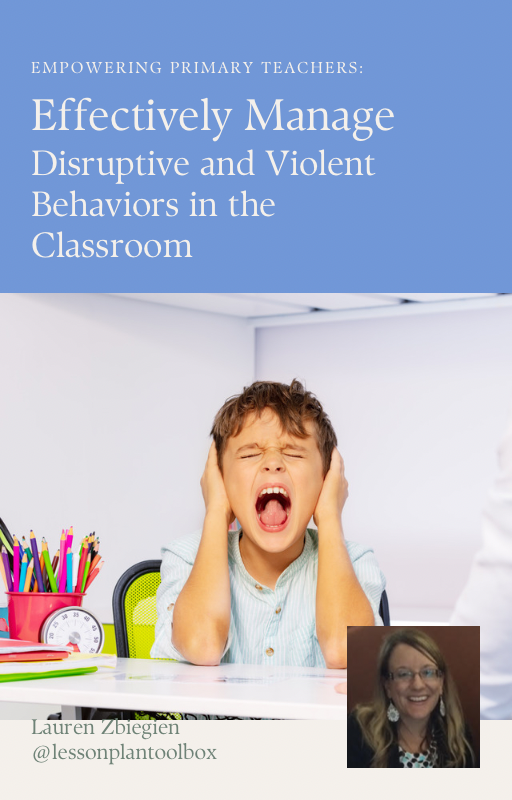
Your ebook GIFT: Empowering Primary Teachers: Effectively Manage Disruptive and Violent Behaviors in the Classroom.
FINALLY…
If you enjoyed the tips in this post, you might also enjoy this video on our 5 BEST Tips for Quieting A Chatty Classroom. Message us and let us know which strategy you found to be the most helpful! We can’t wait to hear from you over on Instagram!
Teach~Relax~Repeat
Lauren