
What to Do When a Student Doesn't Get Their Way
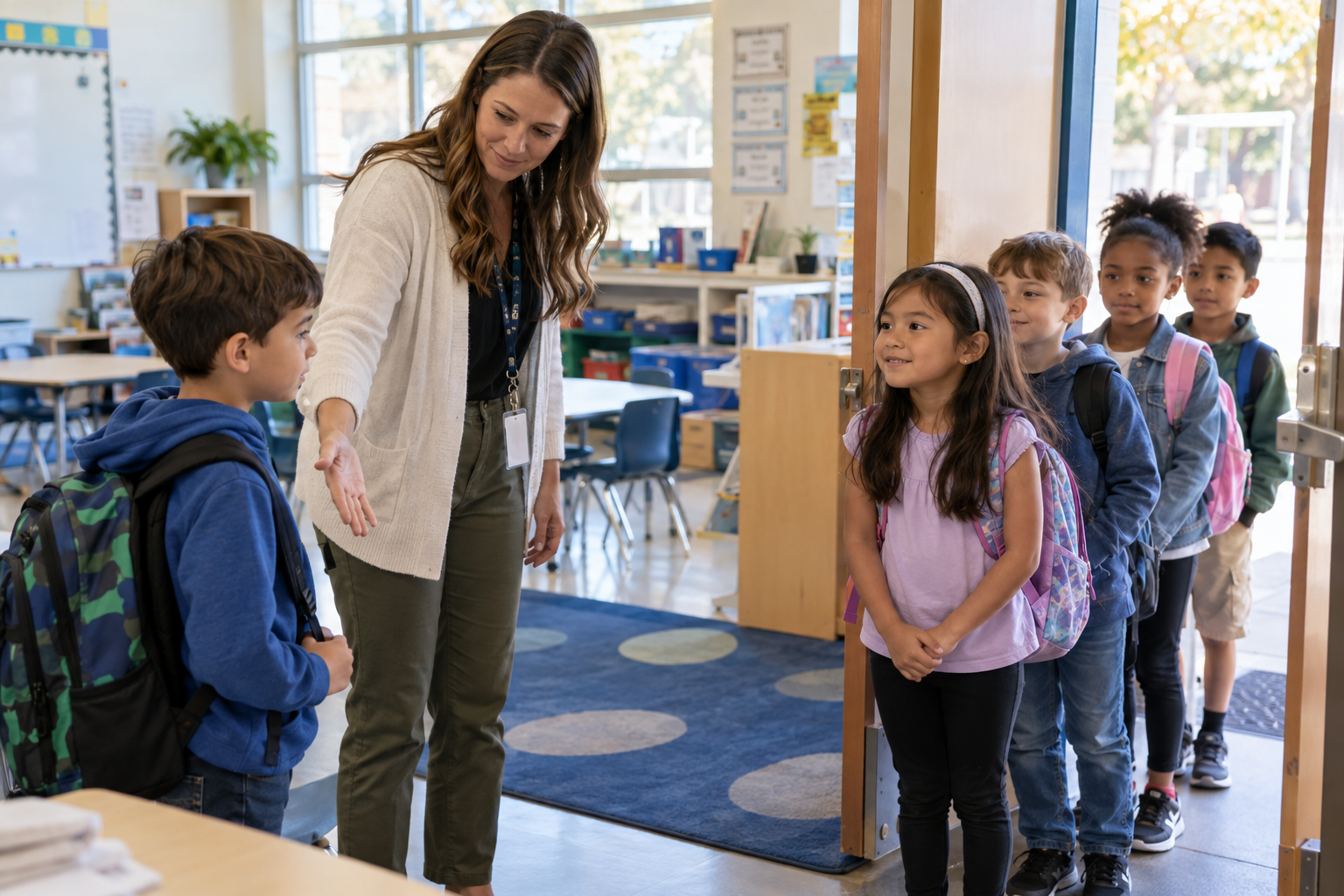
You tell a student that someone else is going to be the line leader today, and immediately you hear, “That's not fair! I wanted to be first!”
Maybe they cross their arms and refuse to get in line. Maybe they start crying, or they continue arguing because they're convinced that if they explain their side one more time, you'll change your mind.
Meanwhile, the rest of your class is standing there waiting to go to lunch, and you're trying to figure out how to help this student without holding everyone else up.
These situations can be frustrating because the decision itself is usually pretty simple. Someone else has the classroom job, it's another student's turn with the materials, or the game didn't end the way they wanted. But the student's reaction can turn a small disappointment into a much bigger interruption.
When this happens, I would remind myself that I can acknowledge how the student feels without changing the original decision.
That's an important distinction, especially when we're helping young children learn how to handle disappointment.
Start by acknowledging the disappointment
When a student becomes upset because something didn't go their way, our first instinct is often to explain why the decision was fair.
We might remind them that everyone gets a turn, that they were the line leader yesterday, or that we've already talked about the classroom rules.
All of those explanations may be accurate, but the student may not be ready to hear them when they're upset.
Instead, I would begin by acknowledging what the student wanted.
You might say:
“I know you really wanted to be the line leader today. It's disappointing when you don't get the turn you wanted.”
That doesn't mean you're agreeing that the situation is unfair. You're simply letting the student know you understand why they're disappointed.
Sometimes that acknowledgment helps the student move forward because they no longer feel the need to keep explaining how upset they are.
Keep the original decision clear
This is where I think teachers sometimes get pulled into a conversation that lasts much longer than it needs to.
The student continues arguing, so we continue explaining. They tell us why they deserve another turn, and we remind them of the rules again.
Before long, we're having a five-minute conversation about something that was already decided.
I would keep my response calm and clear.
“Today is Emma's turn. You can walk behind her or choose another spot in line.”
Now the student knows that the decision isn't changing, but they still have a choice about what happens next.
I wouldn't continue explaining why Emma was chosen unless there was genuinely something the student didn't understand. Most of the time, repeating the explanation isn't going to help the student accept the decision any faster.
Of course, if the original decision was actually unfair or needs correcting, we should address that. Being consistent doesn't mean refusing to reconsider when new information matters.

Give the student a little time if they need it
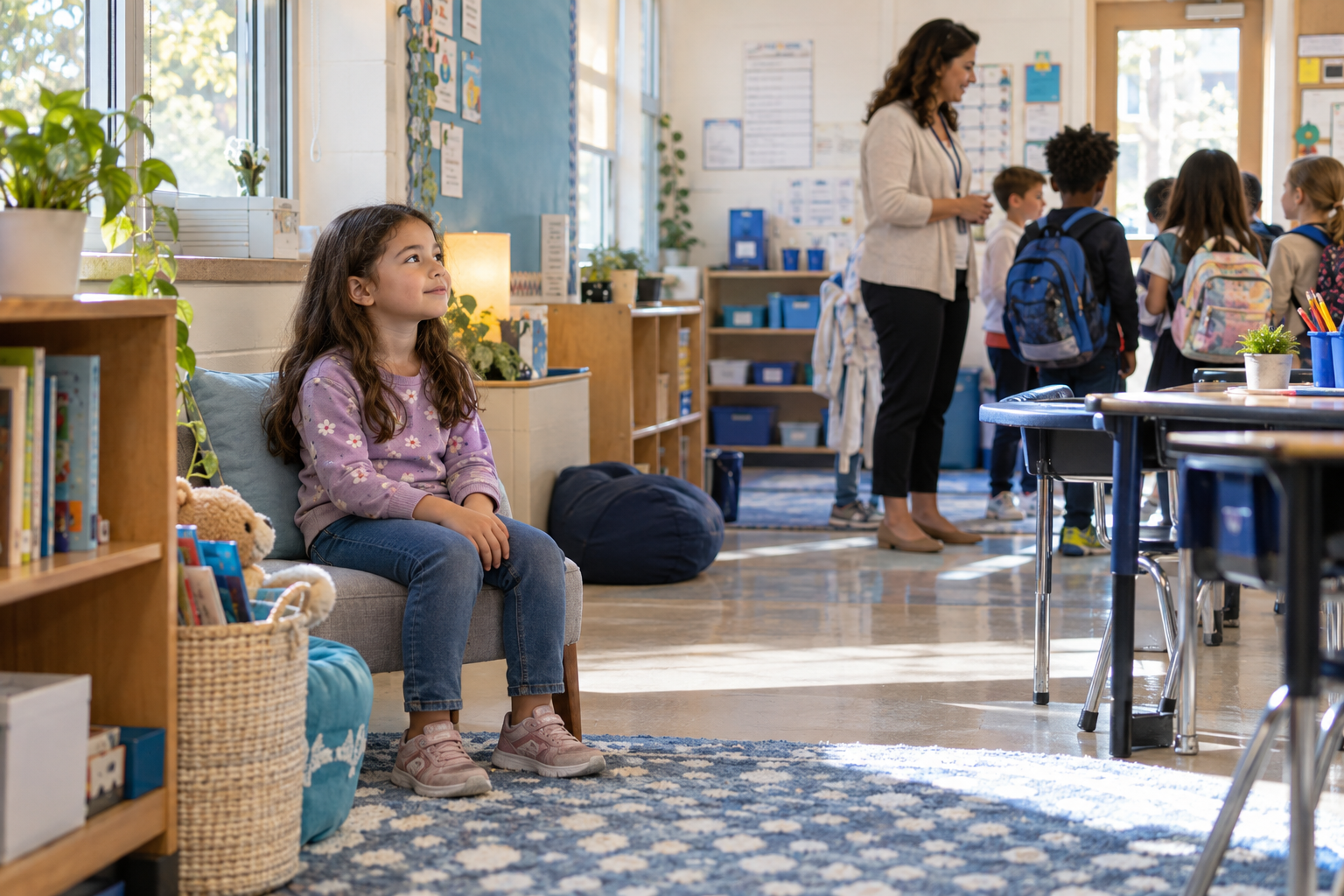
Some students will be able to join the line after a brief acknowledgment. Others may need another minute.
You might notice the student is still upset, has stopped responding, or is having a hard time moving forward.
In that situation, I wouldn't insist that the student immediately explain their behavior or apologize in front of the class.
You could say:
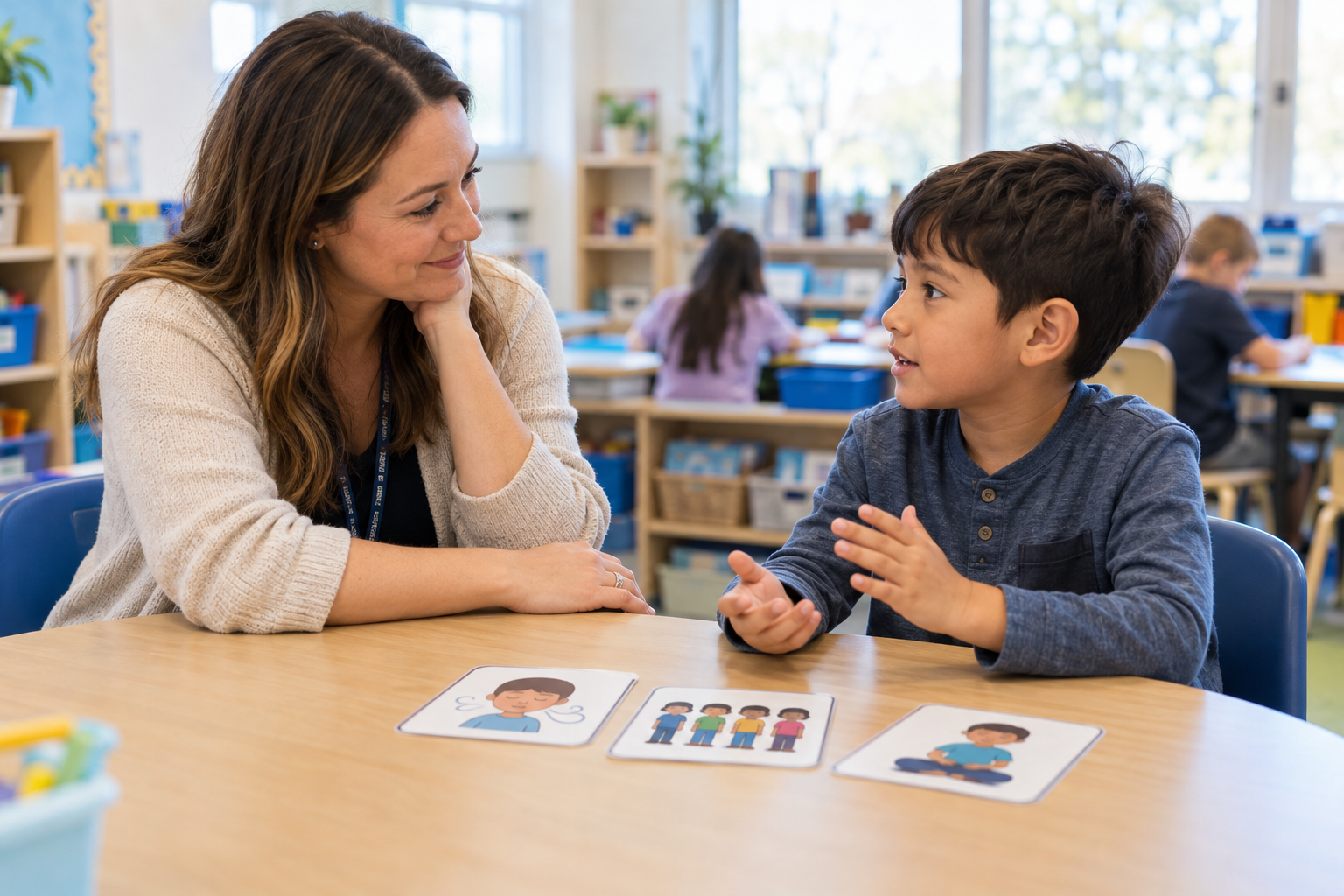
“I understand you're upset. The line leader isn't changing today. I'll give you a moment, and then it's time to join us.”
If the student needs more support, follow your classroom and school procedures so they remain supervised and safe. We don't want the rest of the class waiting indefinitely, but we also don't want to turn the situation into a public argument.
Sometimes the best decision is to keep the class moving while providing the student with an appropriate way to rejoin.
Be careful about changing your decision just to stop the reaction
This is something worth paying attention to because it can happen without us even realizing it.
A student becomes upset because they weren't chosen for a classroom job. After several minutes of arguing or crying, we decide to give them the job tomorrow or create another special opportunity just to end the situation.
I understand why teachers do this. You're trying to get through the day, and you have an entire classroom waiting for you.
But if we regularly change decisions in response to increasingly intense reactions, students may begin to expect that arguing will eventually change the outcome.
That doesn't mean we should never make exceptions. There will always be times when flexibility is appropriate.
The important thing is to make those decisions intentionally rather than allowing the intensity of a student's reaction to make the decision for us.
Teach disappointment before the next difficult moment
I wouldn't wait until a student is crying or arguing about being first in line to teach them how to handle disappointment.
This is a skill we can practice during ordinary classroom activities.
For example, before choosing classroom helpers, you might remind students:
“Only two students will have classroom jobs today. If you're not chosen, it's okay to feel disappointed. You can still congratulate the students who were chosen and remember that you'll have other opportunities.”
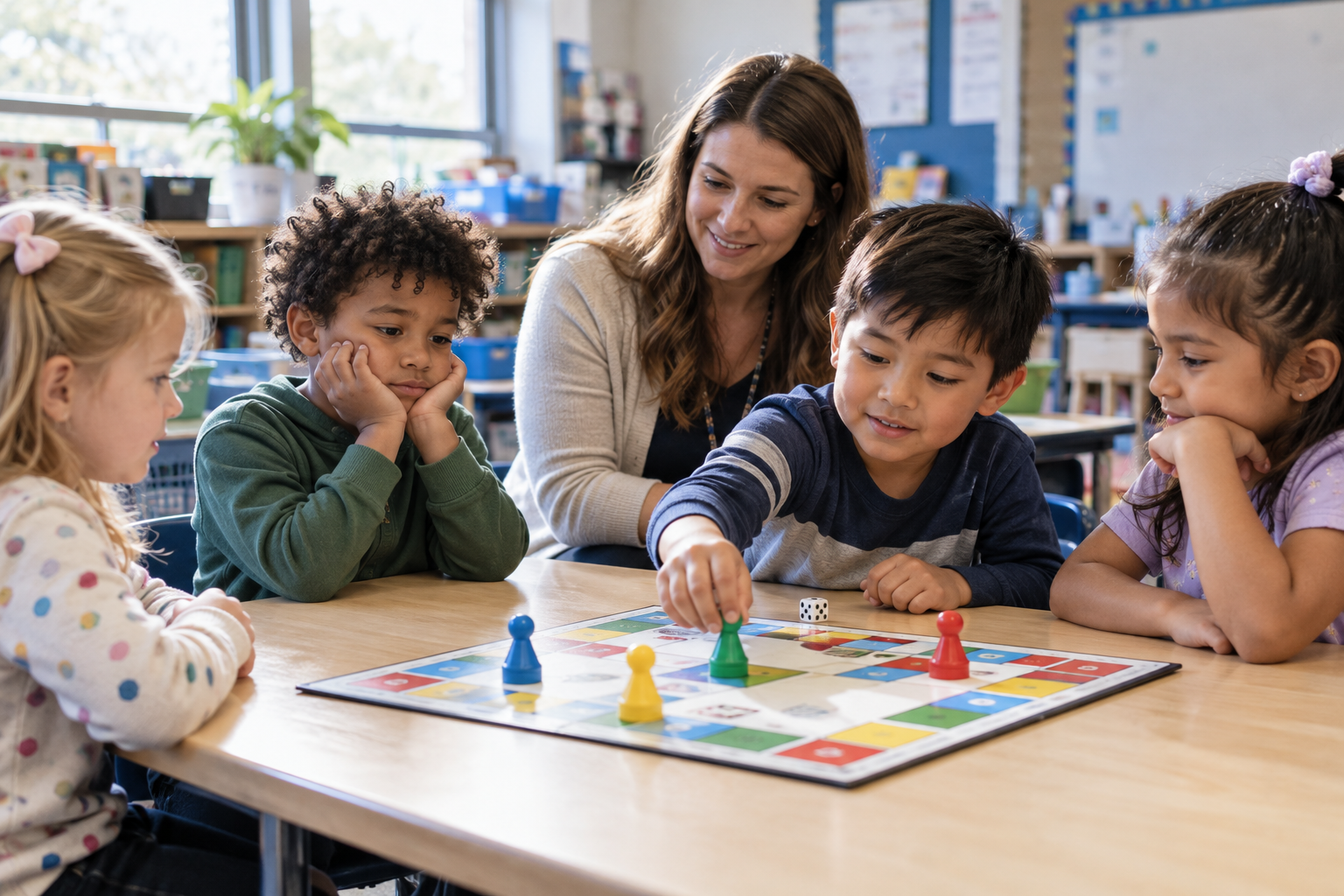
You can also practice during games, partner activities, and other situations where students don't always get their preferred outcome.
For younger students, it may help to give them simple language:
“I'm disappointed, but I can try again next time.”
“I wanted that turn, but it's someone else's turn today.”
“I can be upset and still follow the direction.”
The more opportunities students have to practice these responses when they're calm, the more familiar those responses become when disappointment actually happens.
That doesn't mean they'll always handle it perfectly. They're still learning.

Look for patterns if the reaction keeps happening
If a student becomes very upset every time something doesn't go their way, I would start paying attention to the situations where it happens.
Does the student struggle when they aren't first? Do they have a particularly hard time losing games? Does it happen when plans change unexpectedly or when they have to wait for something they want?
For some students, knowing what to expect ahead of time can make a difference. A predictable rotation for classroom jobs, visual reminders, or a clear explanation of how turns are determined may help.
Other students may need more direct practice handling small disappointments, using calming strategies, or asking for help appropriately.
And if a student's reactions are frequently intense or interfere significantly with their ability to participate, I would work with the appropriate school support team and family to develop a more individualized plan.
We're not trying to eliminate disappointment from the classroom. We're helping students learn how to manage it.

Come back to the conversation when the student is calm
If the situation became a significant disruption, I would revisit it later rather than trying to process everything while the student was upset.
You might say:
“Earlier, you were really disappointed when you weren't chosen to be the line leader. I understand that you wanted that job, but we still needed to get in line. What could you try next time?”
Some students may know exactly what they could do differently. Others may need you to give them a few examples.
You could practice walking to a different spot in line, taking a calming breath, or using words to express disappointment without arguing.
Keep the conversation focused on what the student can do next time rather than spending several minutes revisiting everything that went wrong.
One thing to try tomorrow
Think about one situation in your classroom where students regularly become upset because something doesn't go their way.
Maybe it's choosing classroom helpers, lining up, taking turns, or playing a game during centers.
Before that situation comes up again, explain what students can expect and what they can do if they're disappointed.
Then, if a student becomes upset, try acknowledging the feeling once, keeping the original decision clear, and helping them move forward.
You don't have to convince a student to like every decision you make. They can feel disappointed and still learn how to participate appropriately.
That's an important skill, and like so many things we teach in K–3, it takes practice.
Read Next
What to Do When a Student Keeps Touching or Bothering Classmates
If you're constantly reminding a student to keep their hands to themselves, they may need more than another reminder. This article walks through how to establish clear boundaries, teach appropriate ways to interact with classmates, and respond when the behavior keeps happening.
Want Practical Classroom Support Every Week?
Every Tuesday, I send The Teacher Cue, a weekly classroom note for K–3 teachers with practical behavior strategies, exact teacher language, and ideas you can use without adding another complicated system to your day.
If you enjoy the support you find here, I'd love to have you join us.
Join The Teacher Cue Newsletter →
Need Help Knowing What to Do in the Moment?
There are plenty of situations throughout the school day when you know what the expectation should be, but deciding how to respond can be difficult.
That's why I created Teacher Cue.
It's a web app designed to give K–3 teachers practical next steps and exact language for real classroom situations, whether a student is refusing to work, struggling with a transition, or having difficulty managing disappointment.
Teacher Cue is there to help you feel more confident in your response so you can spend more time teaching and less time second-guessing yourself.


