
What to Do When Students Rush Through Their Work
You’ve just sent your class off to work when a hand shoots up.
“I’m done!”
You walk over and notice a question was skipped. Or a student has drawn a quick picture without including the part you asked them to show. You remind them to slow down, but a few minutes later, you’re having the same conversation again.
It can be frustrating when you know a child has more to show you. Before sending them back to “do a better job,” it helps to make the next step clear.

First, look at what is actually happening
Finishing quickly doesn’t always mean a student rushed.
Some children complete a task accurately in less time. Others may not understand all the directions, may find the work difficult to access, or may be eager to reach whatever comes next.
Take a brief look before deciding how to respond.
You might ask:
“Show me what you were working on.”
“What did you think you needed to do?”
“Was there a part you weren’t sure about?”
Those questions give you somewhere to begin. If the student missed a direction, clarify it. If they need help with the skill, teach or support that part. If they’ve met the expectation, let them be finished.
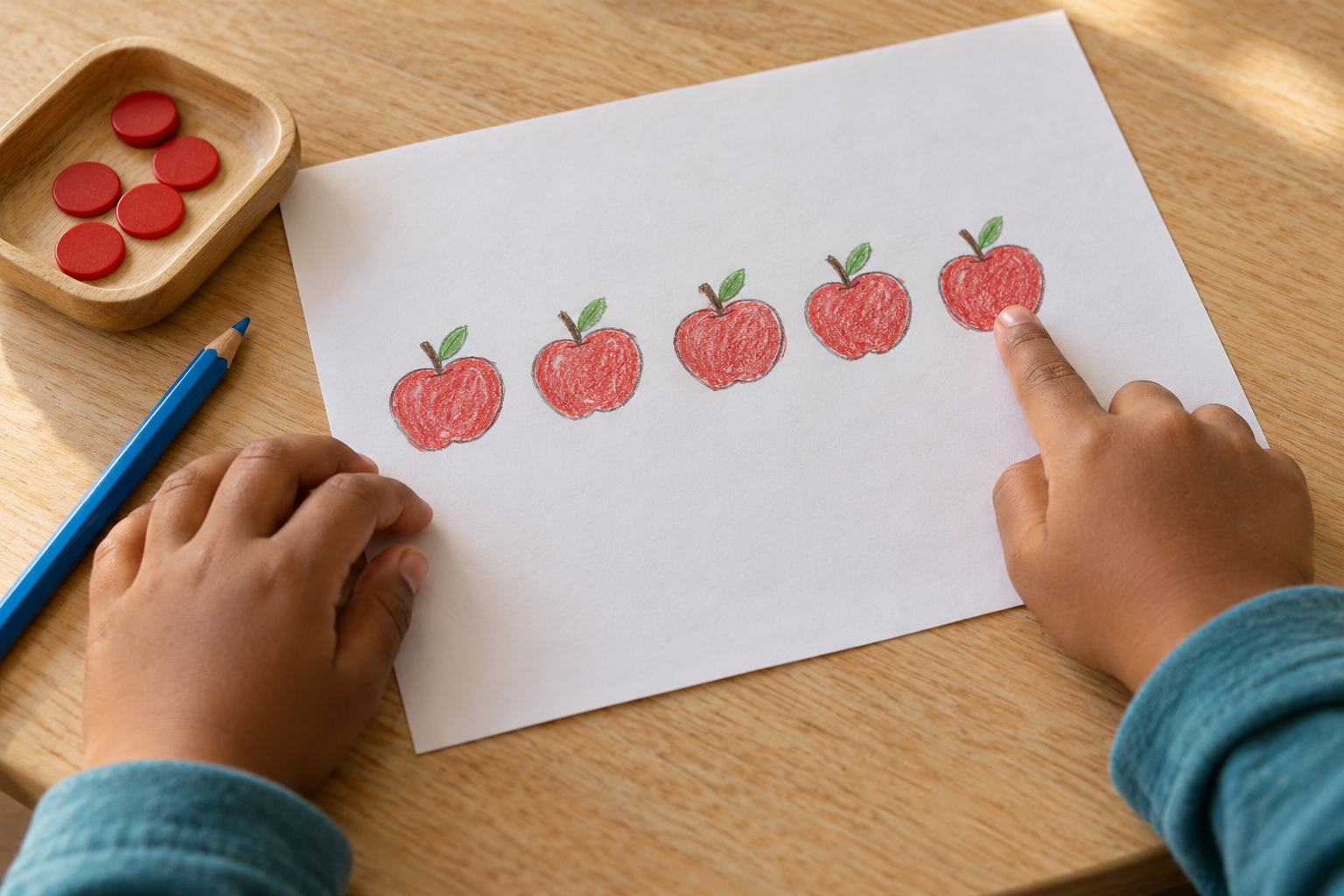
Choose one thing to check
“Check your work” sounds simple, but it can be a big request for a young child.
Instead, choose one check that matches the purpose of the task. During a math activity, that might be checking that their drawing matches the number. During a response to a story, it might be checking that they answered the question asked.
Keep it focused. You don’t need to turn every assignment into a checklist of handwriting, spelling, neatness, completeness, and extra details.
Say:
“Before you turn it in, check whether your picture shows all five.”
Or:
“Read the question with me. Show me where you answered it.”
Choose expectations that fit the lesson and the student’s learning and access needs. Continue using any supports or accommodations the student relies on.
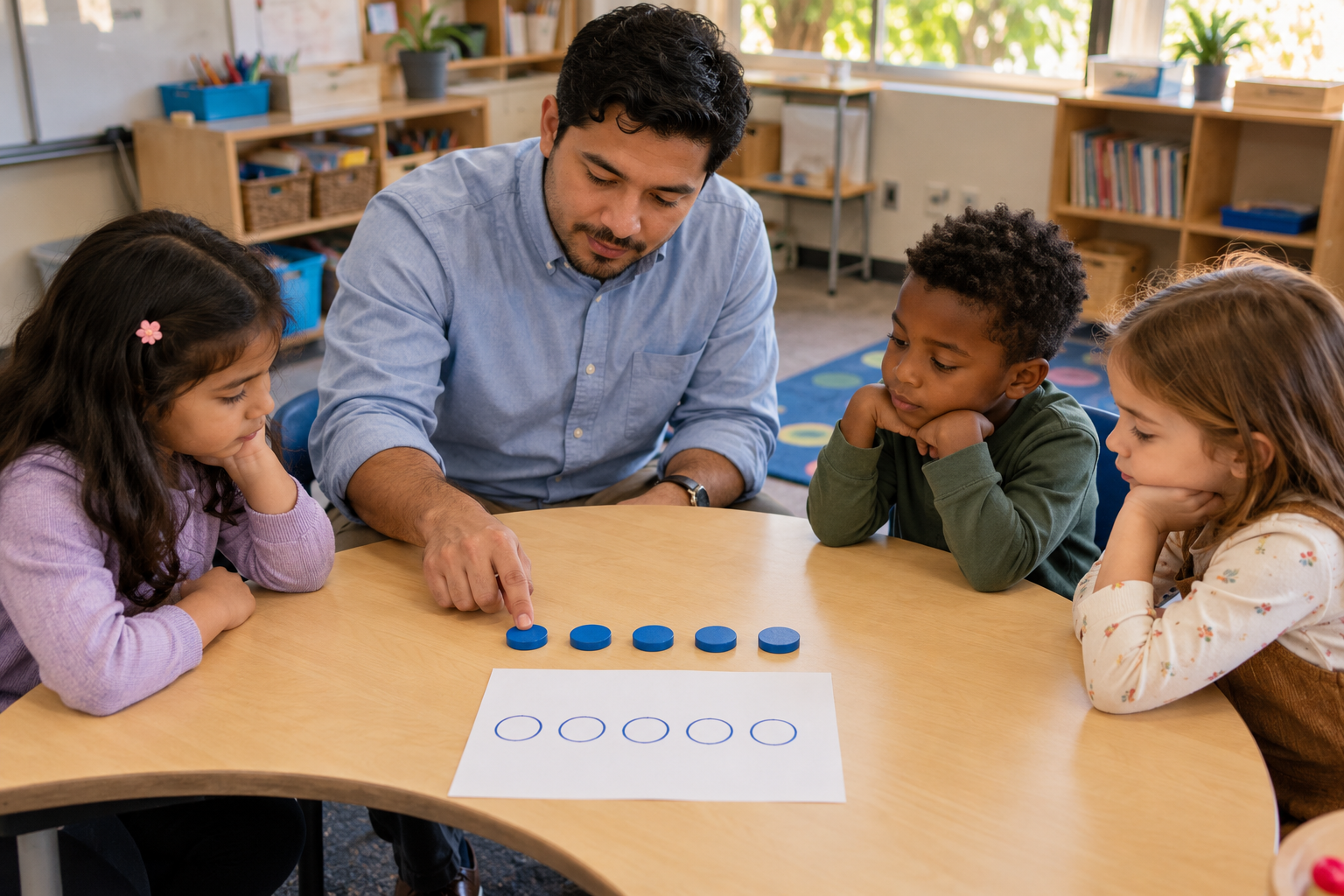
Show the check before you expect it
Use your own quick example to model the finishing step.
“I was asked to show six counters. I drew some circles. Now I’m going to count them to see whether I showed six.”
Count aloud, notice whether the example meets the expectation, and make a small correction if needed.
Then invite students to try the same check with their work. A simple picture cue or the short question written where students can see it can serve as a reminder.
The routine should be brief enough to use independently over time. Start with one check rather than several new steps at once.

Respond without making checking feel like punishment
A student may hear “Go back and check” as “Everything you did is wrong,” especially if the direction is vague.
Point to the specific next step:
“You answered this question. There’s one more here. Let’s read it together.”
If a child becomes upset, you can acknowledge that feeling and offer help:
“You thought you were finished. I can see you’re frustrated. We’ll look at this part together.”
Avoid making the student restart an entire page when one small correction would address the learning goal. Offer a way to explain an answer aloud or use the supports already available when that fits the task.

Make the next step clear, too
Think about what happens after students finish. If finishing means immediate access to a favorite activity, some children may focus on getting there as quickly as possible.
You can still have a welcoming early-finisher routine. Make the sequence predictable: complete the task, do the agreed-upon check, then choose from the available options.
If a student finishes accurately, avoid adding work simply to make them spend the same amount of time as everyone else. Let them move on to the routine you’ve established.

Try one small change this week
Choose one assignment that often leads to a chorus of “I’m done!”
Decide what students should check, model it before they begin, and use the same short prompt when they finish. Notice whether students can use the check or whether they need it explained another way.
You don’t need to solve every rushed assignment at once. Start by helping students understand what this task asks them to show and how they can tell when they’ve done it.
Read Next
What to Do When a Student Doesn’t Get Their Way
For another everyday classroom moment, read last week’s article about helping students handle disappointment.
For practical language and next steps for everyday classroom moments, explore Teacher Cue.


