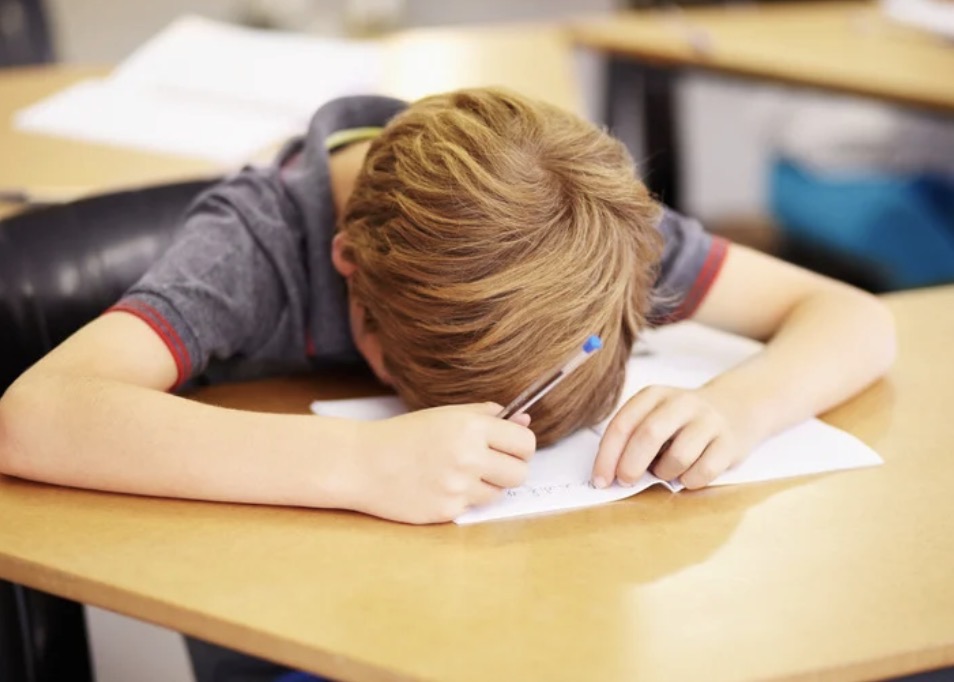
The Hidden Reason Some Students Struggle to Focus (And It's Not Motivation)
Welcome to our yearlong series on Classroom Management by Design for Primary Teachers. Each week we will give you a new piece to the classroom management puzzle to have in place when you need it this school year. Think of it as a Lego kit just waiting to be built.
Classroom Management by Design for Primary Teachers: The Hidden Reason Some Students Struggle to Focus (And It’s Not Motivation)
If you’ve ever looked out at your class and thought…
Why is everything suddenly harder today?
Why are directions forgotten?
Why are small problems turning into big emotions?
You’re not imagining it.
And here’s the part most teacher training programs barely talk about:
Sometimes classroom behavior has nothing to do with motivation, consequences, or even engagement.
Sometimes… it’s sleep.
For primary students ages 5–8, sleep quietly shapes nearly everything we see during the school day. Attention. Memory. Emotional regulation. Cooperation. Even confidence.
And once you understand what’s happening behind the scenes, so many classroom moments start to make sense.

What Sleep Is Actually Doing to the Brain
While students sleep, their brains are not “turning off.” They’re running the overnight filing system.
During sleep, the brain organizes and stores everything learned that day, helping new skills move into long-term memory. That means reading strategies, math concepts, routines, and social skills literally strengthen while children rest.
When students get enough sleep, you’ll notice:
✔ Better focus during lessons
✔ Stronger working memory
✔ Faster problem solving
✔ More independence during work time
But even small sleep loss changes how the brain functions.
Teachers often see this first during reading groups, math practice, or independent work when students suddenly struggle with tasks they normally handle well.
It’s not regression.
It’s exhaustion wearing a behavior costume.

Why Sleep Loss Looks Like “Behavior Problems”
Here’s something fascinating: tired children rarely look sleepy.
Instead, sleep deprivation often shows up as:
• Emotional outbursts over small frustrations
• Difficulty following multi-step directions
• Increased silliness or impulsivity
• Trouble transitioning between activities
• Withdrawal or shutdown behaviors
Sound familiar?
A well-rested brain has stronger self-control. A tired brain is working in survival mode.
In many ways, sleep acts like a nightly reset button for emotional regulation and resilience. When that reset doesn’t happen, students walk into school already running on empty.
And no classroom system works well when the nervous system is overloaded.

How Much Sleep Primary Students Actually Need
According to sleep research, children ages 6–12 need 9–12 hours of sleep every night to support learning, behavior, and emotional health.
But here’s the piece families often miss:
Consistency matters just as much as total hours.
Late weekends followed by early Mondays create what researchers call “social jet lag,” which explains why Mondays can feel especially challenging in elementary classrooms.
Teachers feel it. Students feel it. The classroom climate feels it.

The Screen Time Factor No One Warned Families About
Many bedtime struggles begin with good intentions.
“One quick show before bed.”
But screens emit blue light that suppresses melatonin, the hormone that signals the body it’s time to sleep. Children are even more sensitive to this effect than adults.
The result?
Longer bedtime battles. Later sleep onset. Shorter rest.
And the next morning, teachers see the ripple effects in attention, mood, and learning stamina.

What Teachers Can Watch For in the Classroom
Sleep challenges don’t always come with yawning.
Instead, look for patterns like:
• Forgetting routines they already know
• Difficulty finishing tasks
• Increased irritability or emotional swings
• Head down or mentally “checked out” moments
If you notice consistency over several days, tracking observations can help guide a gentle conversation with families focused on support, not blame.
A simple reframe works wonders:
“I want to help them feel successful and focused. Sometimes sleep can play a bigger role than we realize.”
Partnership changes everything.
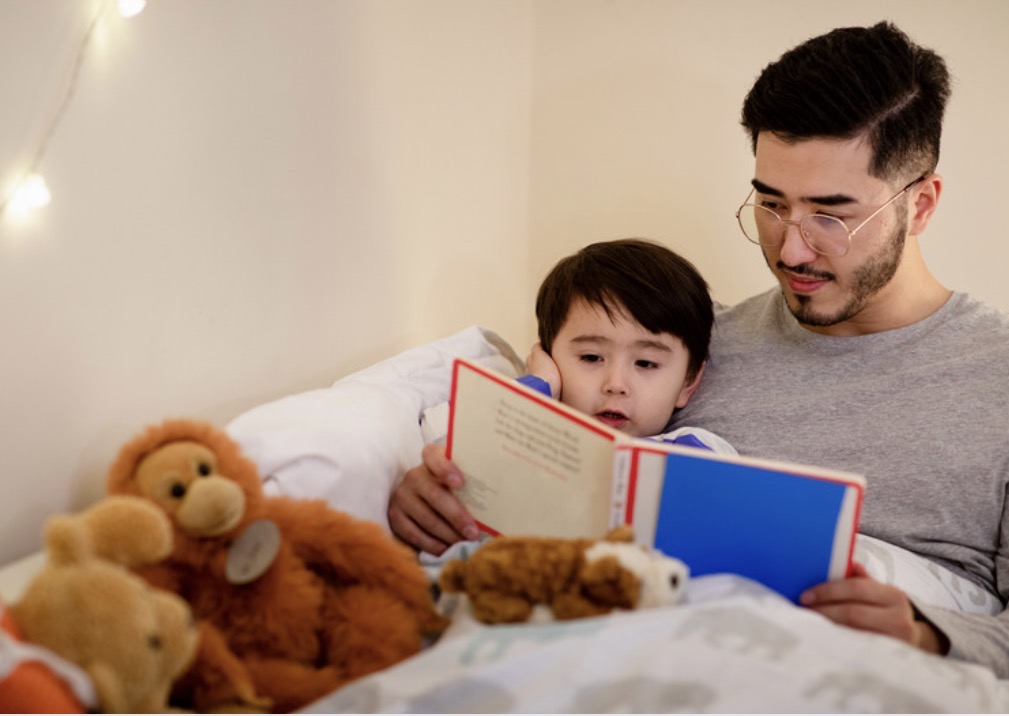
Small Ways Teachers Can Support Healthy Sleep Habits
We can’t control bedtime routines at home, but we can influence awareness.
Simple strategies to share with families include:
✔ Predictable bedtime routines (bath, story, quiet time)
✔ Consistent sleep and wake times
✔ Device-free time before bed
✔ Calm, dark sleep environments
✔ Gradually adjusting late bedtimes in small steps
Even one small change can improve a child’s school day.
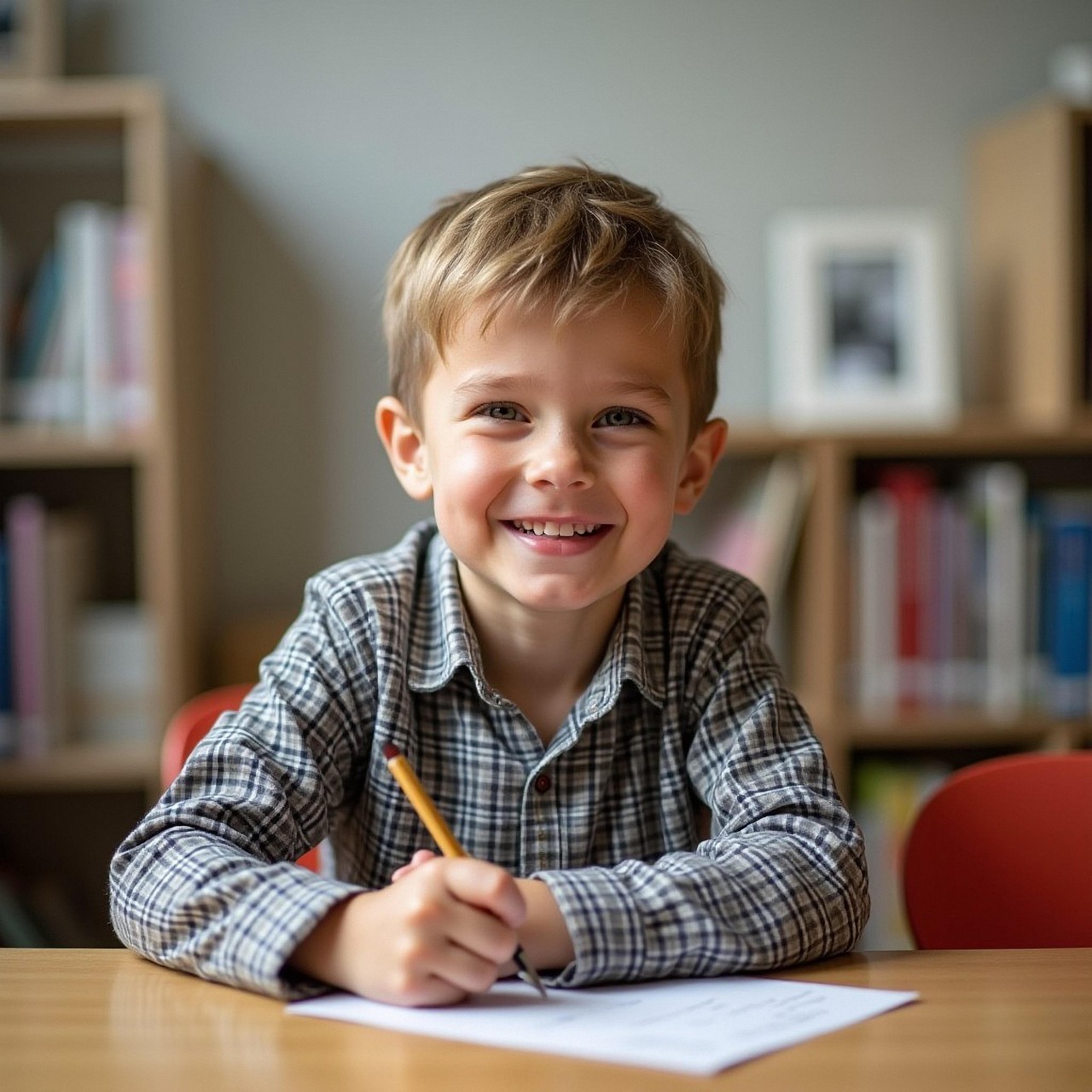
Teaching Students to Understand Their Own Bodies
One of the most powerful shifts happens when students begin to understand how their brain and body work together.
You might:
• Create a class anchor chart of “sleep-friendly choices”
• Talk about how rest helps learning grow
• Practice calming breathing or gentle stretching during the day
• Read books about bedtime routines and feeling rested
When children understand why their bodies need rest, self-awareness begins to grow.
And that awareness becomes a lifelong skill.

The Big Takeaway for Teachers
Not every behavior challenge needs a new system.
Sometimes the missing piece isn’t stricter consequences, stronger incentives, or better engagement strategies.
Sometimes the brain just needs sleep.
When we begin viewing classroom behavior through a whole-child lens, we stop asking, “What’s wrong with this student?”
And start asking, “What might this student need?”
That single shift changes how classrooms feel.
And often, it changes how students experience school itself.
Manage Student Behavior in 5 Minutes a Day!
Do you see student behavior going through the roof right about now?
Have you tried EVERYTHING and NOTHING seems to work?
Trust me, I've been there!
This is EXACTLY why I created The Student Behavior Scenario of the Day Cards for primary teachers. You will improve student behavior AND your classroom management in just 5 minutes a day!
As teachers, we can't assume that students know how to behave or what is expected of them and so often that is where things go wrong for us. (We all know what happens when we ''assume", but yet we still do it anyway.)
These cards changed EVERYTHING for me in the primary classroom because students LOVE talking about behavior AND they want to meet your expectations.
Best of all, each card has scenario of the day, reflection questions, and possible consequences that teachers can use in each situation.
GRAB YOUR FREE SAMPLE HERE: Student Behavior Scenario of the Day Cards
DID YOU KNOW…
Did you know I organize a FREE Facebook Group for Mastering Classroom Management? We are gearing up for our school year quarter sessions, so if you’re looking for a simple way to improve your classroom management join the already 200+ teachers that have signed up: Mastering Classroom Management Facebook Group
Your ebook GIFT: Empowering Primary Teachers: Effectively Manage Disruptive and Violent Behaviors in the Classroom
FINALLY…
If you enjoyed the tips in this post, you might also enjoy this series of videos Classroom Management by Design for Primary Teachers:
Teaching Accountability to Young Students: A Practical Guide for K–3 Teachers
Unlock the Key to Supporting Neurodivergent Learners - Without Overwhelm
Finished Early? Now What? 10 Brilliant Ways to Keep Students Engaged Without the Chaos
A Guide to Creating an Intrinsically Motivated Classroom
Expanding AI's Role in the Primary Classroom
Unlock the Power of AI in the Primary Classroom
Supporting a Student Being Bullied
Don’t forget to follow us over on Instagram!
Teach~Relax~Repeat
Lauren


