
Why Some Students Can't Focus Before Lunch (And It's Not What You Think)
Welcome to our yearlong series on Classroom Management by Design for Primary Teachers. Each week we will give you a new piece to the classroom management puzzle to have in place when you need it this school year. Think of it as a Lego kit just waiting to be built.
Classroom Management by Design for Primary Teachers: Why Some Students Can’t Focus Before Lunch (It’s Not What You Think)
How Food, Focus, and Brain Energy Shape Classroom Behavior in Primary Students
There’s something teachers notice long before data charts ever confirm it.
You can feel the difference.
One child walks in ready to learn, settles into morning work, and eases into the rhythm of the day.
Another arrives already overwhelmed. They struggle to start tasks, react quickly to small frustrations, or quietly shut down before math even begins.
And here’s the truth many classroom management conversations overlook:
Sometimes behavior challenges don’t begin with rules, routines, or motivation.
Sometimes they begin with breakfast.
Understanding how nutrition affects behavior and focus in elementary students gives teachers a powerful new lens, one that shifts us from asking “What’s wrong with this child?” to “What might this child’s brain need right now?”

Why Nutrition Matters for Young Brains
Primary students are doing extraordinary work every day.
Their brains are growing rapidly, building new neural connections while learning to read, regulate emotions, solve problems, and navigate friendships. All of that requires energy, and a lot of it.
Key nutrients like protein, iron, zinc, and omega-3 fatty acids support:
Attention and concentration
Mood regulation
Memory development
Problem-solving skills
When students regularly miss these building blocks, teachers often see the classroom effects first: irritability, low stamina, and difficulty focusing.
Research connecting nutrition and academic performance in children shows that hunger and inconsistent access to food are linked to increased behavior challenges and lower engagement throughout the school day.
What looks like lack of effort is sometimes lack of fuel.

Breakfast: The Most Overlooked Classroom Management Tool
After a full night without food, children arrive at school needing steady energy to think clearly and regulate emotions.
Students who eat breakfast consistently show stronger:
Attention and working memory
On-task behavior
Participation in lessons
Reading and math performance
Teachers often notice the opposite when breakfast is skipped:
Slow task initiation
Headaches or stomach complaints
Emotional sensitivity
Daydreaming or head-down behavior
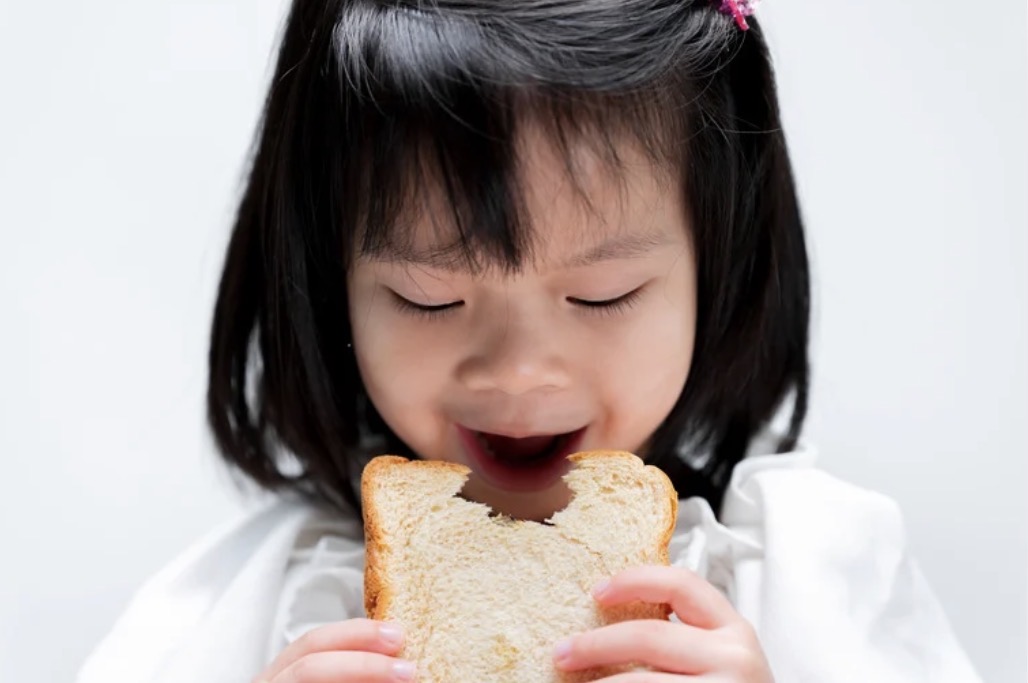
Even simple, realistic breakfasts, like yogurt with fruit, eggs and toast, or peanut butter on whole-grain bread, help stabilize morning energy and support learning readiness.
In many ways, breakfast acts as the brain’s “start button.”

The Truth About Sugar and the Classroom Energy Crash
Teachers often describe students becoming extra energetic after sugary snacks. The science is more nuanced.
Sugar alone doesn’t automatically cause hyperactivity for most children.
But highly processed foods can create what many educators recognize instantly: the energy roller coaster.
Here’s what happens:
Blood sugar spikes quickly.
Energy rises fast.
Then comes the crash.
And that crash often looks like:
Irritability or peer conflict
Trouble focusing
Restlessness
Complaints of feeling unwell
Balanced snacks that combine carbohydrates with protein or healthy fats help maintain steadier energy levels. Think cheese and crackers, apples with peanut butter, or yogurt with granola.
Stable energy supports stable behavior.

What Teachers Notice Before Anyone Else
Teachers are incredible pattern observers.
You may recognize students who:
Become unusually irritable mid-morning
Show dramatic behavior differences depending on whether they ate breakfast
Struggle most right before lunch
Become more off-task after parties or sugary treats
While educators cannot diagnose nutrition concerns, these observations provide an opportunity for supportive conversations focused on student success rather than blame.
The goal is partnership, not pressure.
What Teachers Can Do Inside the Classroom
You can’t control what happens at home, but you can create classroom systems that support regulation and learning.
Normalize Food as Part of Learning
Share information about breakfast programs and snack expectations positively and without judgment.
Plan With Energy in Mind
Schedule higher-focus lessons earlier when possible. Use movement, collaboration, or hands-on activities during predictable low-energy times.
Offer Gentle Guidance to Families
Simple suggestions in newsletters or conferences can help families understand how balanced snacks support focus.
Build Body Awareness
Teach students to check in with themselves:
“Is your body hungry, full, or just right?”
This builds lifelong self-regulation skills.
Partner With Support Staff
School counselors, nurses, and social workers can help connect families with resources when food insecurity may be present.
Small adjustments create big shifts in classroom climate.

Nutrition and Social-Emotional Learning Are Deeply Connected
When children are hungry or experiencing an energy crash, emotional regulation becomes harder.
Sharing feels harder.
Waiting feels harder.
Problem solving feels harder.
Supporting consistent nutrition strengthens the very SEL skills teachers are trying to build: cooperation, empathy, and self-control.
You might integrate nutrition naturally by:
Teaching food groups during science or health lessons
Using stories that show characters eating breakfast and succeeding at school
Talking about “brain foods” that help thinking and focus
When students understand how food affects feelings and learning, they gain another tool for caring for themselves.

A New Lens for Classroom Behavior
The next time behavior feels unusually challenging, try pausing before jumping to consequences.
Ask instead:
Is this a behavior issue… or an energy issue?
Sometimes the most powerful classroom management strategy isn’t stricter expectations.
It’s recognizing the invisible needs students carry with them each morning and responding with understanding.
And when teachers begin seeing behavior through that lens, classrooms shift from constant correction to calm, supportive learning spaces where students are truly ready to grow.
Manage Student Behavior in 5 Minutes a Day!
Do you see student behavior going through the roof right about now?
Have you tried EVERYTHING and NOTHING seems to work?
Trust me, I've been there!
This is EXACTLY why I created The Student Behavior Scenario of the Day Cards for primary teachers. You will improve student behavior AND your classroom management in just 5 minutes a day!
As teachers, we can't assume that students know how to behave or what is expected of them and so often that is where things go wrong for us. (We all know what happens when we ''assume", but yet we still do it anyway.)
These cards changed EVERYTHING for me in the primary classroom because students LOVE talking about behavior AND they want to meet your expectations.
Best of all, each card has scenario of the day, reflection questions, and possible consequences that teachers can use in each situation.
GRAB YOUR FREE SAMPLE HERE: Student Behavior Scenario of the Day Cards
DID YOU KNOW…
Did you know I organize a FREE Facebook Group for Mastering Classroom Management? We are gearing up for our school year quarter sessions, so if you’re looking for a simple way to improve your classroom management join the already 200+ teachers that have signed up: Mastering Classroom Management Facebook Group
Your ebook GIFT: Empowering Primary Teachers: Effectively Manage Disruptive and Violent Behaviors in the Classroom
FINALLY…
If you enjoyed the tips in this post, you might also enjoy this series of videos Classroom Management by Design for Primary Teachers:
Teaching Accountability to Young Students: A Practical Guide for K–3 Teachers
Unlock the Key to Supporting Neurodivergent Learners - Without Overwhelm
Finished Early? Now What? 10 Brilliant Ways to Keep Students Engaged Without the Chaos
A Guide to Creating an Intrinsically Motivated Classroom
Expanding AI's Role in the Primary Classroom
Unlock the Power of AI in the Primary Classroom
Supporting a Student Being Bullied
Don’t forget to follow us over on Instagram!
Teach~Relax~Repeat
Lauren


