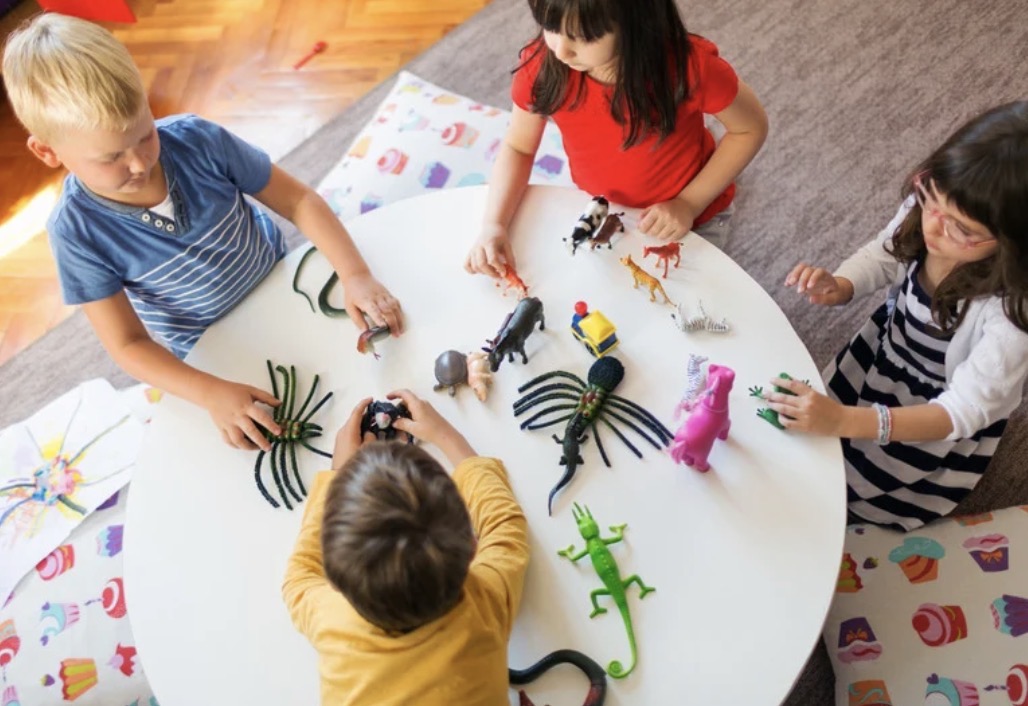
5 Powerful Ways Teachers Use AI to Better Understand Student Behavior Patterns
Welcome to our yearlong series on Classroom Management by Design for Primary Teachers. Each week, we will give you a new piece to the classroom management puzzle to have in place when you need it this school year. Think of it as a Lego kit just waiting to be built.
Classroom Management by Design for Primary Teachers: 5 Powerful Ways Teachers Use AI to Better Understand Student Behavior Patterns
Have you ever had a morning like this?
It's only 9:00am:
You've already pulled two students aside for the same off-task behavior — again.
One child is completely shut down. Head on the desk. Won't make eye contact.
Another one exploded over something tiny — a crayon, a chair, a look from a classmate.
You're doing everything right. And yet… you can't quite figure out why this keeps happening.
You're not alone. And here's the thing most teachers don't realize: the answer might already be in your classroom data — you just haven't had the right tool to see it yet.

What Most Teachers Don't Know About Student Behavior
Most of us were trained to respond to behavior in the moment. A student acts out, we redirect. A pattern emerges, we call a parent meeting. We do our best to connect the dots — but we're doing it on the fly, with 22 other kids in the room, and approximately zero extra minutes in our day.
What research in behavioral science has shown us is that student behavior is rarely random. There are patterns — time-of-day triggers, environmental factors, transitions, sensory overload, hunger, peer dynamics — that repeat themselves week after week.
The problem isn't that teachers aren't paying attention. The problem is that pattern recognition at scale is hard for the human brain — but it's exactly what AI was built to do.
Teachers who are quietly experimenting with AI tools are discovering something game-changing: they're not just managing behavior anymore — they're actually understanding it.
Picture Your Classroom Like This
Imagine starting your Monday morning already knowing which student had a rough weekend based on behavioral notes you tracked last week. Imagine noticing — before the meltdown — that one child always struggles on days with two back-to-back transitions before snack.
Instead of reacting, you're anticipating. Instead of feeling helpless, you're informed.
That's what K-3 classroom management starts to look like when AI becomes part of your toolkit — not as a replacement for your teacher instincts, but as a quiet assistant helping you see what you couldn't before.
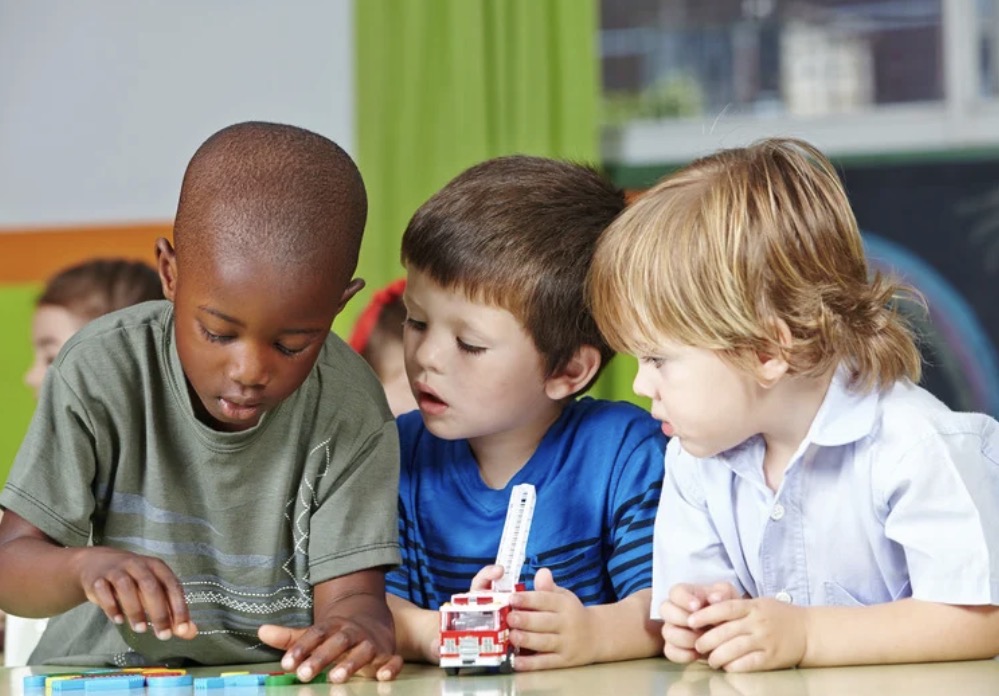
5 Powerful Ways Teachers Are Using AI to Decode Student Behavior
1. Spotting Behavior Triggers With Anecdotal Note Analysis
You already take anecdotal notes — sticky notes, Google Docs, behavior logs. What if you could paste two weeks of those notes into a free AI tool like ChatGPT and ask: "What patterns do you notice in this student's behavior?"
Try this:
Copy your behavior notes into an AI chat tool and type: "Based on these observations, what environmental or time-based triggers might be influencing this student's behavior?" You may be surprised at what it surfaces that you hadn't consciously connected.
2. Using AI to Translate Behavior Into Communication
Young children in primary classrooms often don't have the language to say "I'm overwhelmed" or "I didn't eat breakfast" or "my parents were fighting this morning." Their behavior says it for them.
Teachers are now using AI to help decode what behavior might be communicating. By describing a specific behavior to an AI tool and asking what unmet needs it might signal, teachers are gaining new language — and new empathy — for their students.
Try this:
Describe a recurring behavior to an AI tool and ask: "What sensory, emotional, or environmental needs might this behavior be communicating in a 6-year-old?" Use it as a starting point — not a diagnosis.
3. Building Behavior Tracking Systems That Actually Work For You
One of the most underrated uses of AI for classroom management for primary teachers is letting it help you build custom tracking systems. Most pre-made behavior logs weren't designed with your specific classroom in mind.
AI can help you create a simple Google Form, a one-page weekly log, or a behavior matrix customized to the behaviors you're actually seeing — in under five minutes.
Try this:
Ask an AI tool: "Help me design a simple weekly behavior tracking form for a K-2 classroom that tracks time of day, trigger, response, and student regulation level. It should take less than 90 seconds to fill out per student."
4. Preparing for Parent Conversations With More Confidence
Parent conversations about student behavior are some of the most stressful moments in a teacher's week. You want to be clear. You want to be kind. You want to come with data, not just feelings.
Teachers are now using AI to help them organize their observations into clear, compassionate language before a parent meeting. It's not about letting AI do the talking — it's about walking in prepared.
Try this:
Paste your behavior notes into an AI tool and ask: "Help me organize these observations into a calm, strengths-based summary I can share with a parent who may be defensive about their child's behavior."
5. Generating Proactive Classroom Routine Adjustments
Once you start seeing patterns in student behavior, the next step is adjusting your classroom routines before problems escalate. AI is remarkably good at suggesting proactive, low-lift environmental and structural changes based on the behaviors you describe.
This is where AI stops being a diagnostic tool and starts being your planning partner for a calmer classroom.
Try this:
Tell an AI tool: "My K-2 students consistently have the most behavioral challenges right after lunch. What are 3 proactive routine adjustments I could try to ease that transition and support student regulation?"
Why This Works: The Brain Science Behind It
Here's what the research tells us: behavior in young children is almost always rooted in regulation — or dysregulation. The prefrontal cortex, the part of the brain responsible for impulse control, decision-making, and self-regulation, doesn't fully develop until the mid-twenties.
That means your 6-year-old isn't choosing to be difficult. Their brain is doing exactly what a 6-year-old brain does — responding to stress, hunger, sensory input, and emotional overwhelm without the adult tools to manage it.
When you use AI to identify patterns in student behavior, you're not just collecting data. You're getting closer to the root cause — and that's where real, lasting change in your classroom routines begins.

A Note to You, Teacher
Can we just pause for a second and acknowledge something?
What you do is hard. Not "hard like a tough week at the office" hard. Hard like: you are simultaneously managing 20+ tiny humans with different needs, different home lives, different nervous systems, and different capacities for regulation — all while trying to teach them to read.
You are not failing when behavior feels confusing. You are doing complex, human work.
Using AI to better understand your students isn't a shortcut. It's a smart use of every tool available to you — the same way you'd use a reading assessment to understand a struggling reader, or a seating chart to support a student who's easily distracted.
Your instincts built over years in the classroom are irreplaceable. AI just helps you see the data you've already been collecting in a new light.
A Tool That Works Alongside This
This is one of the reasons I created the Student Behavior Scenario Cards. They give you a structured, low-stress way to process real classroom situations — either on your own, with a coach, or in a team meeting — in about five minutes.
When you pair them with the kind of AI-assisted pattern recognition we talked about above, you stop reacting to behavior and start understanding it. That shift? It changes everything about how calm your classroom feels.
Your Next Step
This week, try just one of these five strategies. Pick the student whose behavior has been keeping you up at night, pull together two weeks of your anecdotal notes, and paste them into a free AI tool with this simple prompt:
"Based on these observations, what patterns do you notice and what might be driving this student's behavior?"
You might just find the answer you've been looking for.
Because sometimes the calmest classrooms don't come from working harder — they come from finally seeing the patterns you've been living inside all along.
DID YOU KNOW…
Did you know I organize a FREE Facebook Group for Mastering Classroom Management? We are gearing up for our school year quarter sessions, so if you’re looking for a simple way to improve your classroom management join the already 200+ teachers that have signed up: Mastering Classroom Management Facebook Group
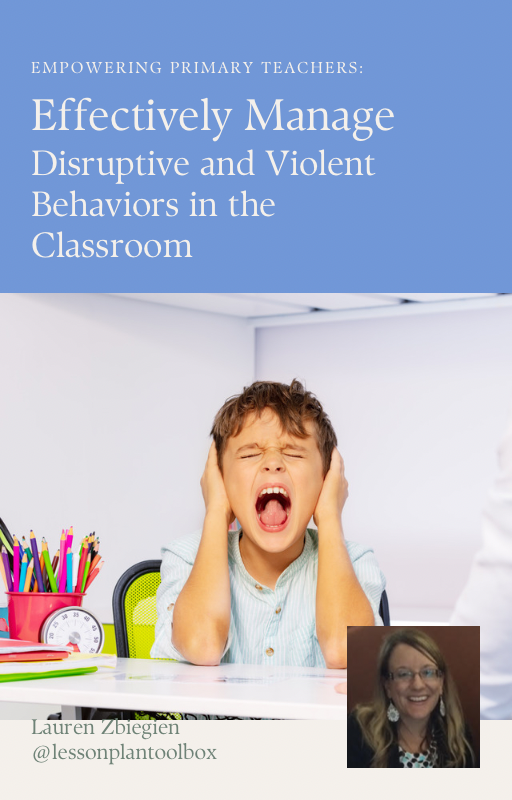
Your ebook GIFT: Empowering Primary Teachers: Effectively Manage Disruptive and Violent Behaviors in the Classroom
FINALLY…
If you enjoyed the tips in this post, you might also enjoy this series of Classroom Management by Design for Primary Teachers:
The Hidden Reason Some Students Can't Focus Before Lunch
Teaching Accountability to Young Students: A Practical Guide for K–3 Teachers
Unlock the Key to Supporting Neurodivergent Learners - Without Overwhelm
Finished Early? Now What? 10 Brilliant Ways to Keep Students Engaged Without the Chaos
A Guide to Creating an Intrinsically Motivated Classroom
Expanding AI's Role in the Primary Classroom
Unlock the Power of AI in the Primary Classroom
Supporting a Student Being Bullied
Don’t forget to follow us over on Instagram!
Teach~Relax~Repeat
Lauren
✨ Want ready-to-use tools that back this up?
The Lesson Plan Toolbox is built for K–3 teachers who want brain-based systems,
not just printables. Behavior tools, regulation frameworks, parent communication scripts,
and a community of teachers who actually get it.


