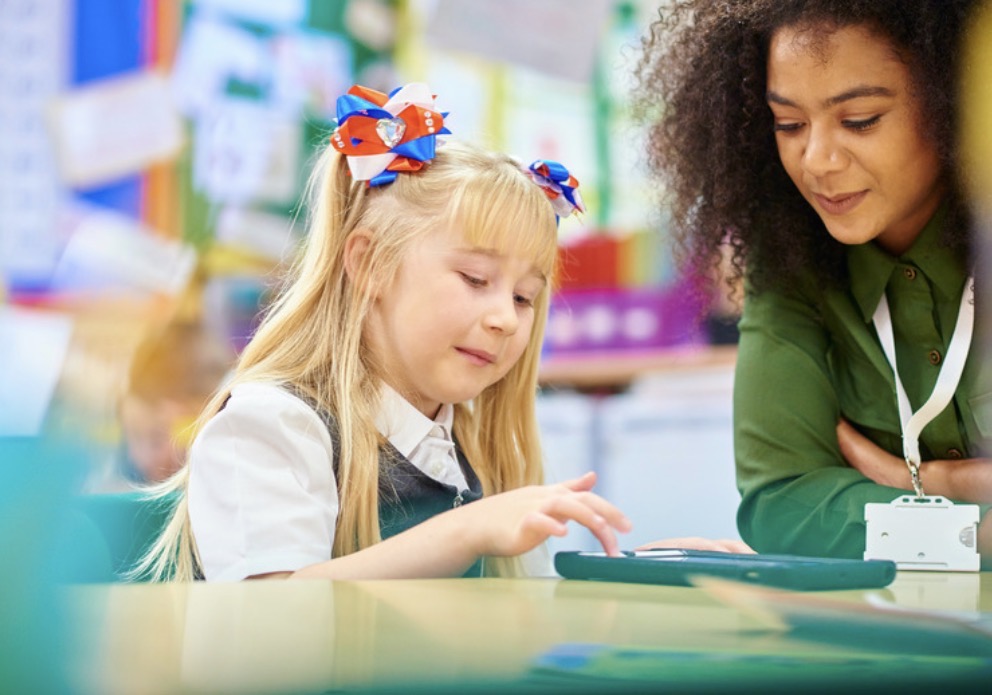
7 Powerful Ways AI Can Help Teachers Improve Student Behavior
Welcome to our yearlong series on Classroom Management by Design for Primary Teachers. Each week we will give you a new piece to the classroom management puzzle to have in place when you need it this school year. Think of it as a Lego kit just waiting to be built.
Classroom Management by Design for Primary Teachers: 7 Powerful Ways AI Can Help Teachers Improve Student Behavior
It's 10:47 a.m.
You've already redirected Marcus three times this morning.
Lily is crying over a broken crayon.
Two students in the back are poking each other, and the rest of your class is slowly losing focus — right in the middle of your math lesson.
You take a breath. You redirect again. You push through.
And somewhere in the back of your mind, you're thinking: There has to be a better way.
What if there was a tool that could help you understand why these behaviors keep happening — and give you specific, research-backed strategies to actually address them?
That tool exists. And more K–3 teachers are starting to use it every single day.
It's called AI. And no, it's not here to replace you. It's here to support you.

What Most Teachers Don't Know About AI and Behavior
Most teachers hear "AI" and picture robots or complicated tech tools that require hours of training. But here's what's actually true:
AI — especially tools like ChatGPT or Claude — is essentially a very knowledgeable thinking partner available to you 24 hours a day, 7 days a week, completely free.
It doesn't judge. It doesn't get overwhelmed. And it's surprisingly good at helping teachers work through the complex, messy world of early childhood behavior.
What most teachers don't realize is that many behavior problems in K–3 classrooms aren't discipline problems at all — they're regulation problems, communication problems, or environmental problems. And AI can help you figure out which one you're dealing with, and what to do about it.
Picture Your Classroom
Imagine starting your Monday morning with a clear plan for the three students who have been struggling most.
You know exactly what triggers each child. You have three specific strategies ready to try. Your transitions are tighter, your environment is set up to reduce sensory overload, and you walk in feeling prepared — instead of bracing yourself for whatever the day brings.
That kind of clarity is possible. And AI can help you get there — starting this week.

7 Smart Ways to Start Using AI for Behavior Support
1. Describe the Behavior and Ask for Possible Causes
Before you can solve a behavior problem, you need to understand it. AI is exceptionally good at helping you think through the why behind what you're seeing.
Try this: Type in a description of exactly what the student is doing — when it happens, how often, what comes right before it. Then ask: "What might be causing this behavior in a 6-year-old?" You'll get a list of thoughtful possibilities you may not have considered.
2. Generate Regulation Strategies Tailored to the Child
Every child is different. A calming strategy that works beautifully for one student may be completely ineffective for another. AI can help you brainstorm regulation tools based on the specific child you're describing.
Try this: Share a few details about the student's age, temperament, and what the behavior looks like. Then ask: "What are 5 regulation strategies I could try for a child who becomes dysregulated during transitions?" Customize from there.
3. Create Scripts for Difficult Conversations
One of the hardest parts of classroom management is knowing exactly what to say — to a dysregulated student, to a worried parent, or in an IEP meeting. AI can help you write and practice those scripts.
Try this: Ask AI to write you a calm, de-escalation script for when a student is refusing to work. Or ask it to help you prepare talking points for a parent conference about persistent behavior concerns. Having the words ready changes everything.
4. Design a Behavior-Supportive Classroom Environment
Research shows that the physical environment plays a massive role in student behavior. Lighting, noise levels, seating arrangements, visual clutter — all of it affects young brains. AI can help you audit your space.
Try this: Describe your current classroom setup and ask: "What environmental changes might reduce sensory overwhelm and help K–3 students stay regulated?" You might be surprised by how simple and impactful the suggestions are.
5. Build Better Routines and Transitions
Transitions are the number one trigger for behavior problems in primary classrooms. When students don't know what's coming next, their nervous systems go on high alert — and that's when behavior falls apart.
Try this: Share your current transition routine with AI and ask: "What predictability cues or movement breaks could I add to make this transition smoother for students with regulation challenges?" Small tweaks to your routine can dramatically reduce meltdowns.
6. Analyze Behavior Patterns Over Time
If you're keeping any kind of behavior log or notes, AI can help you identify patterns you might be missing. Time of day, subject area, day of the week, student groupings — patterns are often hiding right in your own data.
Try this: Type in a week's worth of behavior notes and ask: "What patterns do you notice in this data? What might be contributing to the behaviors?" Pattern recognition is one of AI's greatest strengths — use it.
7. Generate Parent Communication That Builds Partnership
When behavior is challenging, parent communication matters enormously. But writing those emails and notes takes time and emotional energy you often don't have at the end of the day.
Try this: Ask AI to draft a strengths-based email to a parent about a behavior concern. Give it the facts, the context, and the tone you're going for. A good draft that you personalize takes 3 minutes instead of 30 — and sounds better, too.
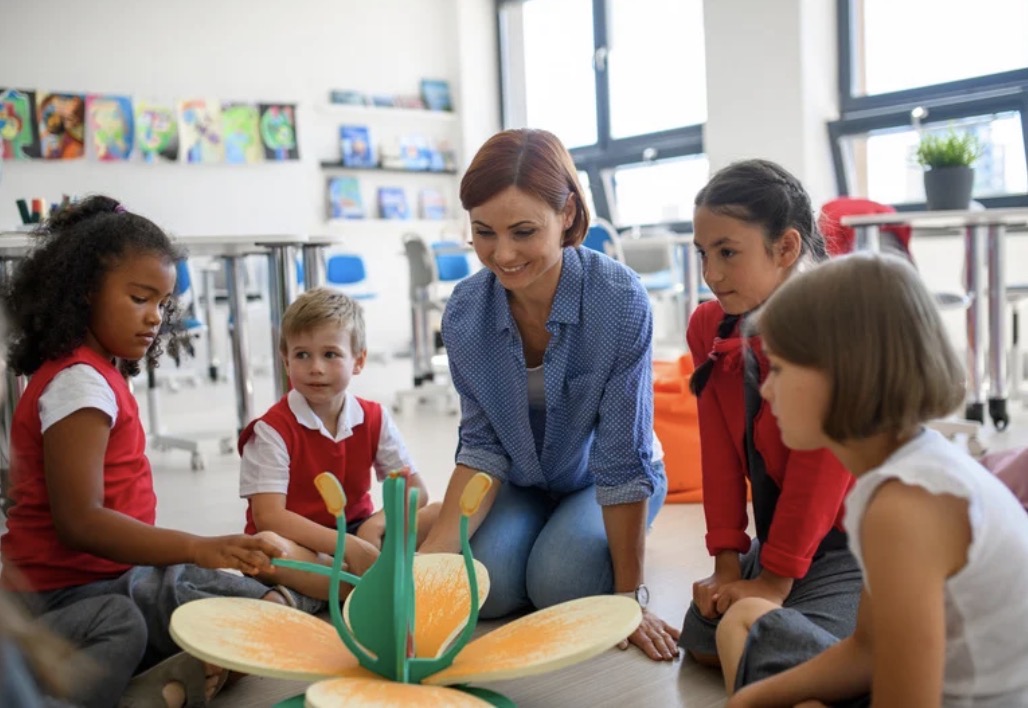
Why This Works: The Brain Behind the Behavior
Young children are still developing the prefrontal cortex — the part of the brain responsible for impulse control, decision-making, and emotional regulation. This development isn't complete until the mid-twenties.
That means the behaviors you're seeing in your K–3 classroom are often neurological, not intentional. When students can't regulate, it's because their brains literally aren't wired for it yet.
AI helps you work with that reality — not against it. By helping you identify triggers, build predictability, and design calming strategies, AI supports the nervous system development that's already happening in your students' brains.
You're not just managing behavior. You're shaping brains. And you deserve every tool available to do that well.
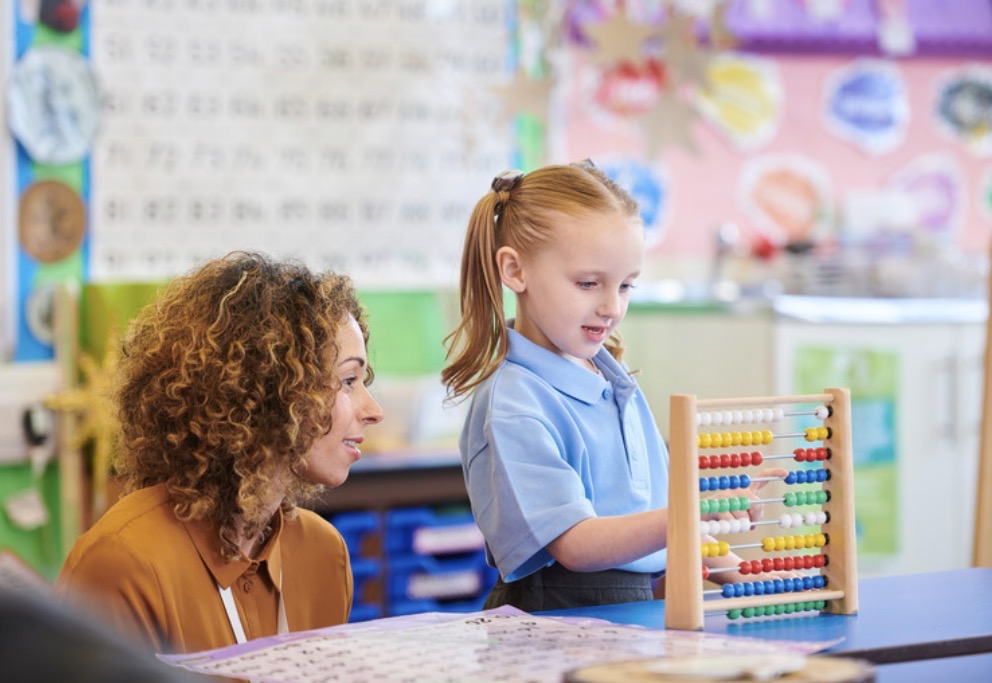
A Note to You, Teacher
Teaching young children is some of the most complex, important work on the planet.
You're not just teaching phonics and number sense. You're helping little humans learn to manage their emotions, work alongside others, and navigate a world that can feel overwhelming and confusing.
That's a lot. And the fact that you're still searching for better answers — still looking for ways to understand your students more deeply — says everything about the kind of teacher you are.
You don't have to figure all of this out alone. AI is one more tool in your toolbox — and it's a powerful one.
Ready to Go Deeper?
If you want to take behavior support even further, my Student Behavior Scenario Cards are designed to give your class a quick 5-minute daily discussion about real classroom situations — building empathy, problem-solving skills, and emotional vocabulary in the process.
And inside the Lesson Plan Toolbox, you'll find done-for-you routines, behavior tools, and classroom management strategies built specifically for K–3 teachers who want calmer, more joyful classrooms.
Because you deserve to love your job again.
Your One Action for This Week
Tomorrow morning, before your students arrive, open up a free AI tool — ChatGPT, Claude, or Gemini — and type in a description of a behavior you've been puzzling over.
Ask it why. Ask it what to try. See what comes back.
Sometimes the smallest shift in how we understand a child changes everything about how we respond to them.
You've got this.
Manage Student Behavior in 5 Minutes a Day!
Do you see student behavior going through the roof right about now?
Have you tried EVERYTHING and NOTHING seems to work?
Trust me, I've been there!
This is EXACTLY why I created The Student Behavior Scenario of the Day Cards for primary teachers. You will improve student behavior AND your classroom management in just 5 minutes a day!
As teachers, we can't assume that students know how to behave or what is expected of them and so often that is where things go wrong for us. (We all know what happens when we ''assume", but yet we still do it anyway.)
These cards changed EVERYTHING for me in the primary classroom because students LOVE talking about behavior AND they want to meet your expectations.
Best of all, each card has scenario of the day, reflection questions, and possible consequences that teachers can use in each situation.
GRAB YOUR FREE SAMPLE HERE: Student Behavior Scenario of the Day Cards
DID YOU KNOW…
Did you know I organize a FREE Facebook Group for Mastering Classroom Management? We are gearing up for our school year quarter sessions, so if you’re looking for a simple way to improve your classroom management join the already 200+ teachers that have signed up: Mastering Classroom Management Facebook Group
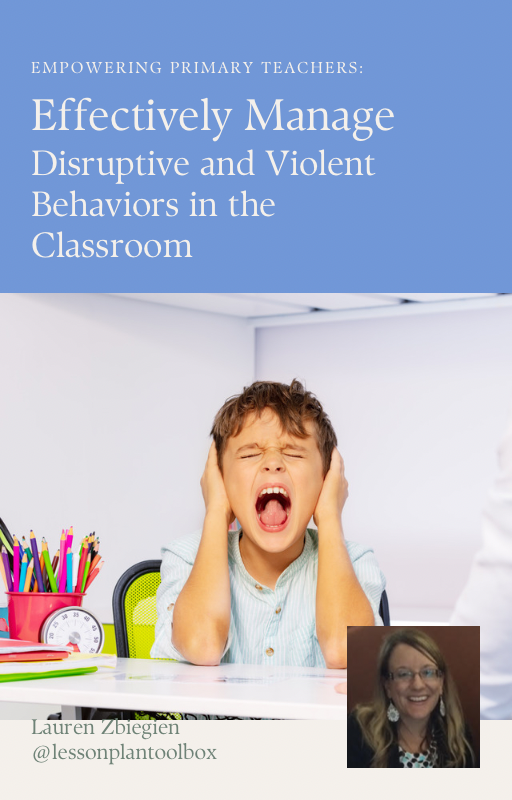
Your ebook GIFT: Empowering Primary Teachers: Effectively Manage Disruptive and Violent Behaviors in the Classroom
FINALLY…
If you enjoyed the tips in this post, you might also enjoy this series of Classroom Management by Design for Primary Teachers:
The Hidden Reason Some Students Can't Focus Before Lunch
Teaching Accountability to Young Students: A Practical Guide for K–3 Teachers
Unlock the Key to Supporting Neurodivergent Learners - Without Overwhelm
Finished Early? Now What? 10 Brilliant Ways to Keep Students Engaged Without the Chaos
A Guide to Creating an Intrinsically Motivated Classroom
Expanding AI's Role in the Primary Classroom
Unlock the Power of AI in the Primary Classroom
Supporting a Student Being Bullied
Don’t forget to follow us over on Instagram!
Teach~Relax~Repeat
Lauren
About Lesson Plan Toolbox
Lesson Plan Toolbox helps K–3 teachers build calm, structured, emotionally regulated classrooms through brain-based systems, movement integration, and ready-to-use behavior tools — so they can teach with confidence instead of stress. Founded by an educator with 20+ years of classroom and assistant principal experience.


