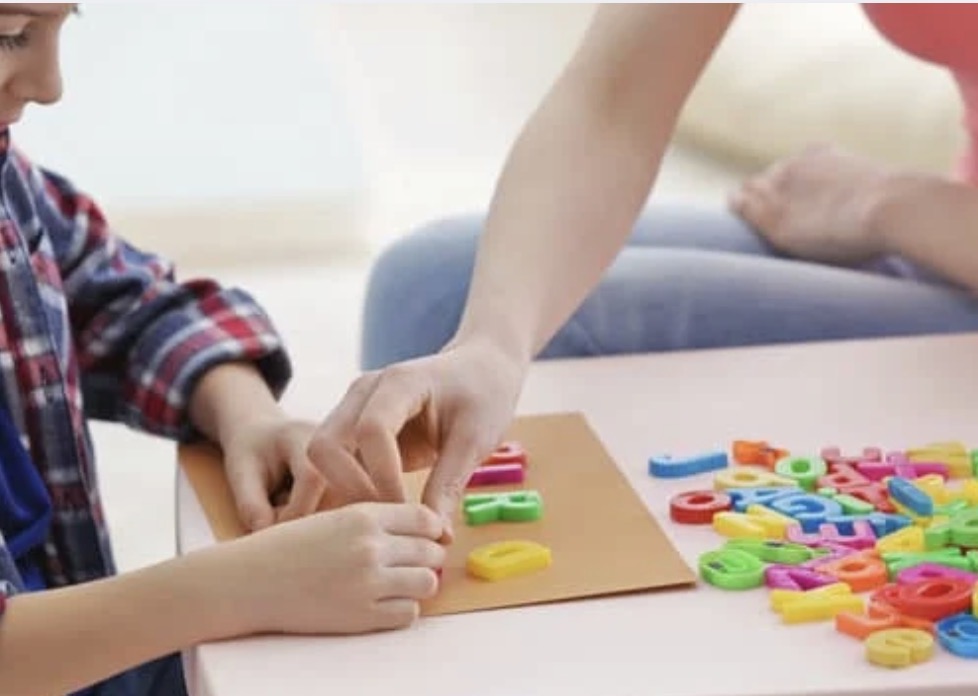
How To Build A Strong Home-School Connection in K-3 (Simple Strategies That Actually Work)
Welcome to our yearlong series on Classroom Management by Design for Primary Teachers. Each week we will give you a new piece to the classroom management puzzle to have in place when you need it this school year. Think of it as a Lego kit just waiting to be built.
Classroom Management by Design for Primary Teachers: How to Build a Strong Home–School Connection in K–3 (Simple Strategies That Actually Work)
If you teach kindergarten through third grade, you already know something most people outside education never see.
You can feel when home and school are working together.
Transitions go smoother.
Students bounce back faster from hard moments.
Learning sticks longer.
And when that connection isn’t there, everything feels heavier.
Last year, I had a student who struggled every single morning transition. Nothing we tried seemed to stick until his mom mentioned during a quick pickup conversation that he practiced counting the stairs at home to calm down. The next day, we added counting into our classroom routine and everything changed. That was my reminder that learning doesn’t live in just one place.
Here’s the part many teachers don’t realize yet:
Most families want to help. They just don’t know what helping actually looks like anymore.
School feels different than when they were children. Strategies have changed. Expectations feel unclear. And when adults feel unsure, they often step back instead of stepping in.
Research shows that when families engage in simple learning interactions at home, students’ literacy, math development, and social-emotional skills grow significantly, especially in early childhood when brain pathways are forming rapidly (sciencedirect).
But strengthening the home–school connection isn’t about sending more work home.
It’s about building small bridges that families can actually walk across.
Why the Home–School Connection Matters So Much in Primary Grades
In K–3 classrooms, children are still building their internal sense of safety and belonging.
They are constantly asking:
Do the adults in my life work together?
Does learning matter everywhere or only at school?
When families participate in everyday learning conversations, students experience consistency between home and classroom environments, which strengthens both academic growth and confidence (overdeck).
Strong partnerships also:
Increase student confidence because both “teams” support them (hmhco)
Help families reinforce classroom skills at home
Make difficult behavior conversations easier because trust already exists
Families don’t need perfect systems.
They just need to know where to start.
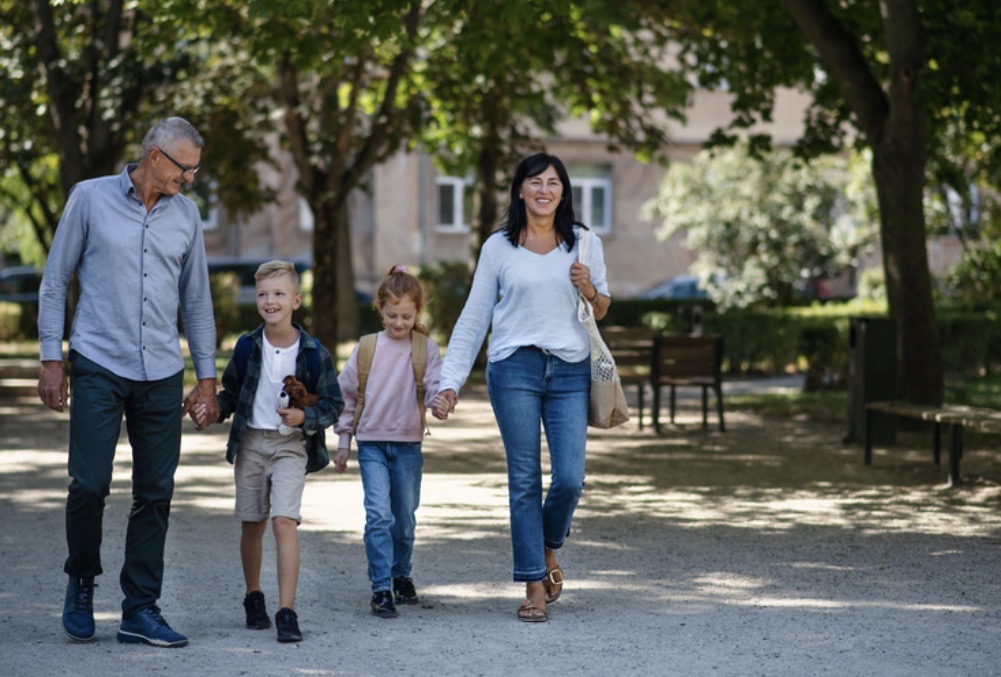
1. Start with Warm Communication, Not More Information
Teachers often begin communication by explaining rules and expectations.
Important, yes.
But connection begins with relationship.
Families engage more when they first feel respected and welcomed (responsiveclassroom).
Try:
A short welcome message sharing what you believe about children and learning
A simple family survey about strengths and interests
A “First Week Highlights” update showing one routine students practiced and how families can support it
This sends a powerful message: we are on the same team.

2. Replace “How Was School?” with Conversation Starters
Every caregiver knows the one-word after-school response:
“How was school?”
“Good.”
Young children often need prompts to retrieve learning memories.
Send home simple conversation starters connected to your lessons (teachingchannel):
Ask me to count by 10s.
Ask me to retell today’s story.
Ask how I calm my body when I feel frustrated.
You’re not assigning homework.
You’re giving families language to enter their child’s learning world.
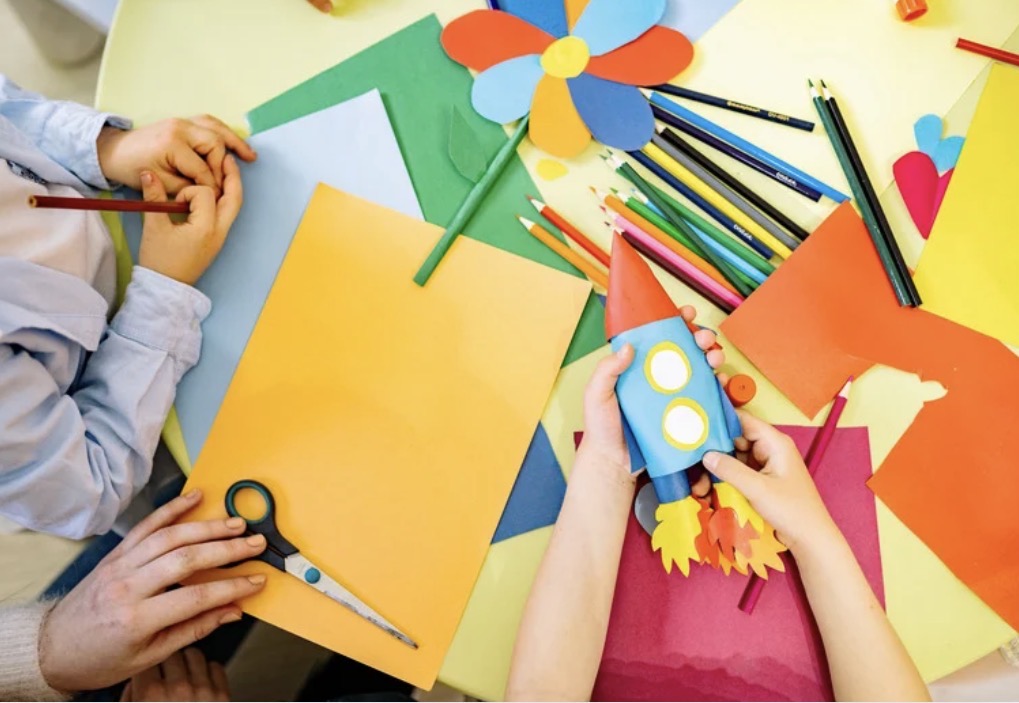
3. Teach Micro-Routines Instead of Sending Packets
Here’s something many teachers aren’t told:
Homework packets often overwhelm families before learning even begins.
Short routines create consistency instead.
Families participate more when learning fits naturally into daily life (overdeck).
Simple ideas:
Two-Minute Number Talk while setting the table
Word Hunts during errands
Three-Night Story Routine with one discussion question
Five consistent minutes builds stronger learning habits than twenty minutes avoided.

A Quick Teacher Truth (Pause Here)
If families aren’t responding, signing folders, or following through, it usually isn’t because they don’t care.
It’s often because:
They’re unsure what schools expect now.
Academic language feels intimidating.
They’re already overwhelmed and afraid of doing it wrong.
When families feel unsure, they go quiet.
Not resistant.
Not disengaged.
Just unsure where they belong.
And if you’re thinking, I barely have time to finish my lesson plans right now, you’re not alone. This isn’t about adding more. It’s about shifting what’s already happening.
Lower the pressure, and participation grows.
Small invitations create real connection.

4. Use Take-Home Systems That Feel Supportive
Take-home folders can either build partnership or create stress.
The difference is clarity and tone.
Simple, predictable systems help families understand classroom learning (kindergartencafe).
Try:
Weekly Book Buddy bags
One positive teacher comment included
Optional activities clearly labeled as flexible
Connection grows when families feel invited, not evaluated.
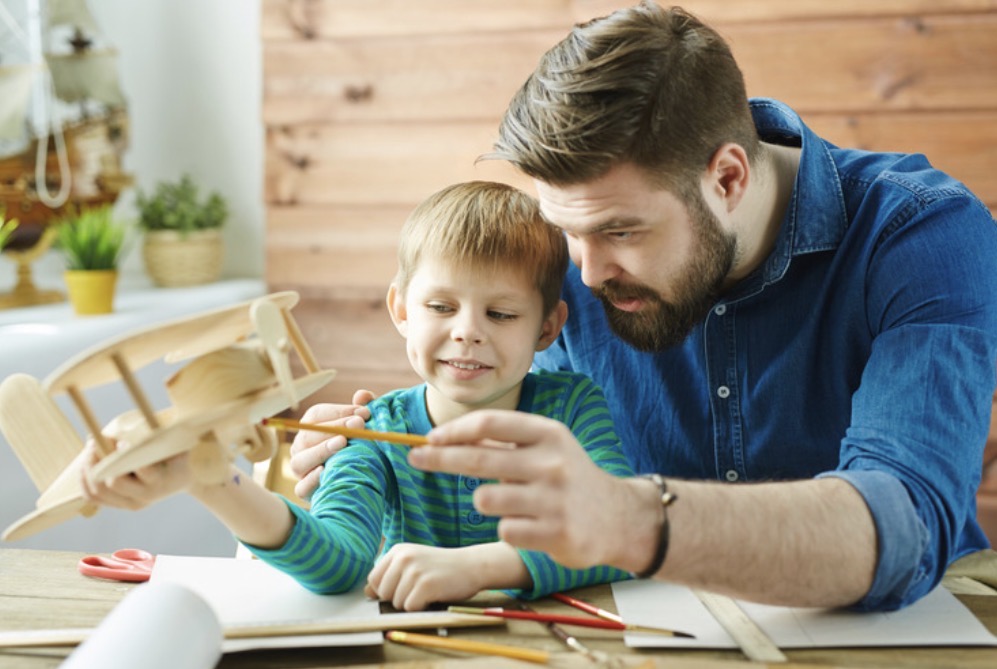
5. Let Families See Learning in Action
Many caregivers want to help but don’t recognize modern teaching strategies.
Honestly, this is one of the most overlooked parts of family engagement.
A quick demonstration builds instant confidence (responsiveclassroom).
Consider:
Short reading strategy videos
Math games using household items
Students recording themselves explaining strategies
When families understand the “how,” support naturally increases.
6. Build on What Families Already Do Well
Learning does not begin at the classroom door.
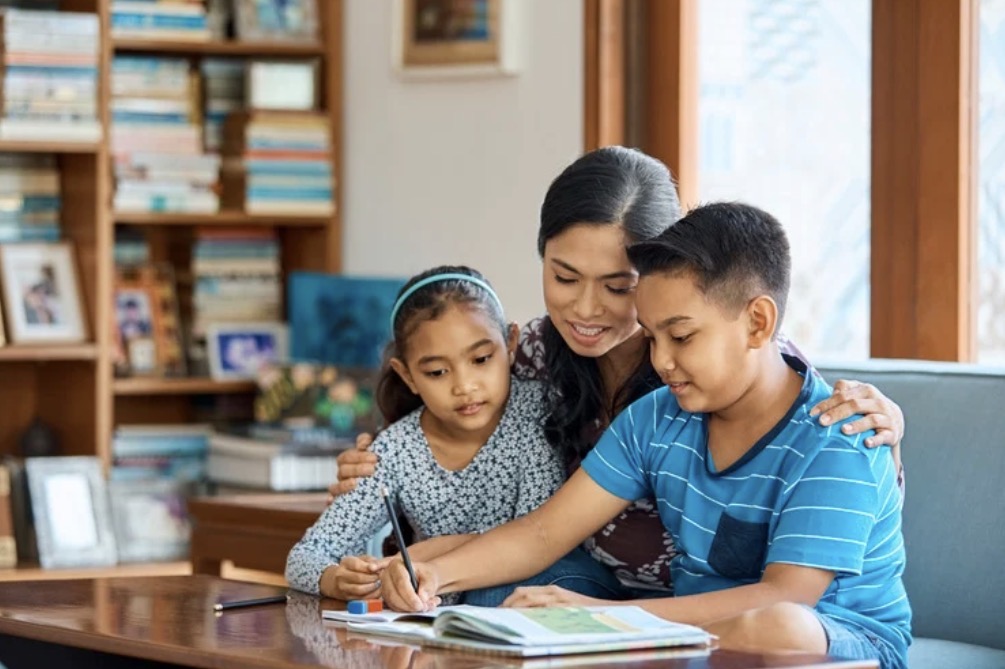
Storytelling, cooking, music, and cultural traditions all strengthen language and reasoning skills (sciencedirect).
Encourage families to:
Speak and read in their strongest language
Share traditions or stories
Celebrate everyday learning moments
You’re not adding work.
You’re recognizing existing strengths.
7. Make Communication Two-Way
Home–school communication works best as conversation, not announcements.
Families engage more when they feel heard and encouraged (hmhco).
Try asking:
What is going well at home right now?
What feels challenging for your child lately?
These small questions build trust faster than any newsletter.

Bringing It All Together (Without Overwhelming Yourself)
You don’t need seven new systems tomorrow.
Start with:
✔ One encouraging message
✔ One conversation starter
✔ One simple home routine
As these small practices grow, something shifts.
Students feel supported in two worlds.
Families feel confident.
And teaching begins to feel lighter again.
One Last Thought Before You Go
If strengthening the home–school connection has ever felt overwhelming, remember this:
Lasting classroom change rarely comes from big programs.
It comes from small moments repeated consistently. A message that encourages. A question that opens conversation. A routine that helps families feel included instead of pressured.
When those moments stack up, students feel supported everywhere they go and teachers stop carrying learning alone.
If you’re looking for practical, classroom-tested strategies that help you build calmer classrooms and stronger connections without adding more to your plate, you’re always welcome inside Lesson Plan Toolbox.
Because teaching was never meant to feel like you have to figure everything out alone.
Manage Student Behavior in 5 Minutes a Day!
Do you see student behavior going through the roof right about now?
Have you tried EVERYTHING and NOTHING seems to work?
Trust me, I've been there!
This is EXACTLY why I created The Student Behavior Scenario of the Day Cards for primary teachers. You will improve student behavior AND your classroom management in just 5 minutes a day!
As teachers, we can't assume that students know how to behave or what is expected of them and so often that is where things go wrong for us. (We all know what happens when we ''assume", but yet we still do it anyway.)
These cards changed EVERYTHING for me in the primary classroom because students LOVE talking about behavior AND they want to meet your expectations.
Best of all, each card has scenario of the day, reflection questions, and possible consequences that teachers can use in each situation.
GRAB YOUR FREE SAMPLE HERE: Student Behavior Scenario of the Day Cards
DID YOU KNOW…
Did you know I organize a FREE Facebook Group for Mastering Classroom Management? We are gearing up for our school year quarter sessions, so if you’re looking for a simple way to improve your classroom management join the already 200+ teachers that have signed up: Mastering Classroom Management Facebook Group
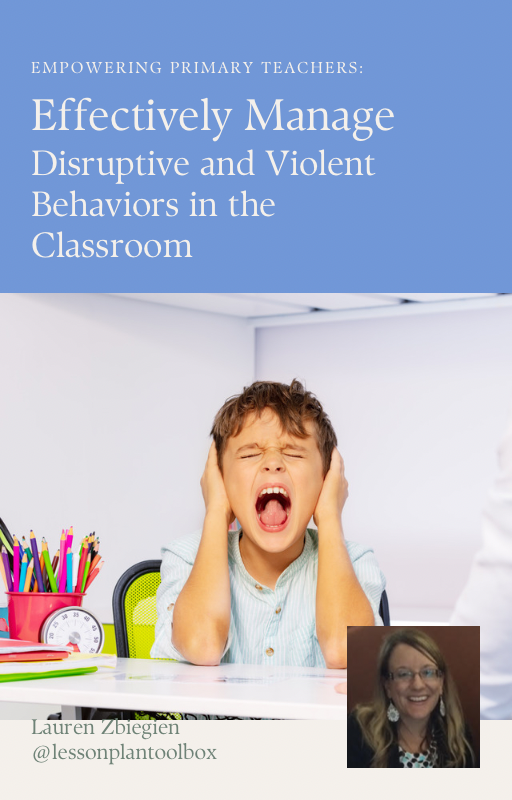
Your ebook GIFT: Empowering Primary Teachers: Effectively Manage Disruptive and Violent Behaviors in the Classroom
FINALLY…
If you enjoyed the tips in this post, you might also enjoy this series of Classroom Management by Design for Primary Teachers:
The Hidden Reason Some Students Can't Focus Before Lunch
Teaching Accountability to Young Students: A Practical Guide for K–3 Teachers
Unlock the Key to Supporting Neurodivergent Learners - Without Overwhelm
Finished Early? Now What? 10 Brilliant Ways to Keep Students Engaged Without the Chaos
A Guide to Creating an Intrinsically Motivated Classroom
Expanding AI's Role in the Primary Classroom
Unlock the Power of AI in the Primary Classroom
Supporting a Student Being Bullied
Don’t forget to follow us over on Instagram!
Teach~Relax~Repeat
Lauren


